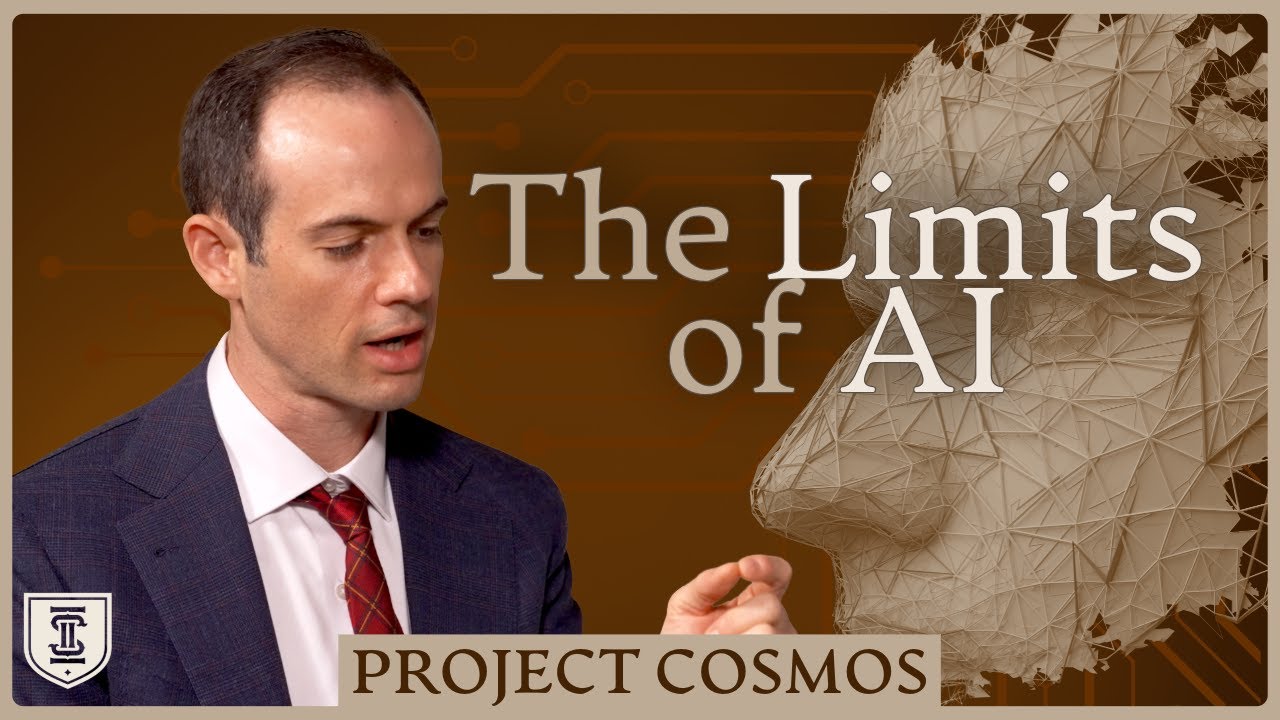
The video argues that AI-generated writing, while technically proficient, cannot replicate the deep personal struggle, authentic trust, and lived human experience essential to genuine creativity and meaningful literary works. It warns that the proliferation of AI-produced content risks diluting cultural and intellectual standards, emphasizing the need to preserve rigorous human engagement in reading and writing to maintain the depth and trustworthiness of communication.
The video explores the challenges and implications of AI-generated writing, particularly in relation to human creativity and the literary arts. It begins with the observation that writing is a deeply personal and often paralyzing endeavor, where overcoming the internal critic is essential for progress. The concern raised is that AI might enable people to bypass this difficult but necessary process of struggle and growth by producing polished text effortlessly, potentially diminishing the development of genuine skill and resilience in writing.
The discussion then shifts to the unique qualities of human persuasion and trust, which AI is unlikely to replicate fully. While AI can mimic persuasive language, it lacks the capacity to generate authentic trust or faith, which are deeply rooted in human relationships and loyalty. This distinction is emphasized through the Greek origins of the words for belief and trust, highlighting that persuasion is not merely about information but about a personal connection that machines cannot authentically establish.
The conversation also touches on the intersection of classical education, technical mastery, and historical context in shaping great individuals and their achievements. The speakers argue that true greatness involves combining literary and spiritual training with technical expertise, a synthesis that AI cannot emulate because it lacks the lived experience and historical rootedness that define human subjectivity. This point underscores the importance of the human element in biography and autobiography, genres that capture the irreducible complexity of individual lives and consciousness.
Further, the speakers express skepticism about AI’s ability to produce works of genuine human depth, such as biographies or philosophical texts. They suggest that while AI might generate superficially impressive content, it cannot replicate the emotional resonance and ethical engagement that come from a human author’s subjective experience. The concern is that AI-generated texts might flood the market, leading to a cultural environment where quantity overwhelms quality, and readers become less discerning, ultimately eroding serious literary and intellectual standards.
Finally, the video highlights a cultural analogy related to Gresham’s law, where “bad” writing driven by AI could crowd out “good” writing, much like bad money drives out good in economics. This raises fears about the long-term impact of AI on literacy and cultural quality. The speakers conclude by reflecting on the importance of maintaining rigorous standards in reading and writing to preserve the depth and trustworthiness that define meaningful human communication, cautioning against the complacency and superficiality that AI-generated content might encourage.