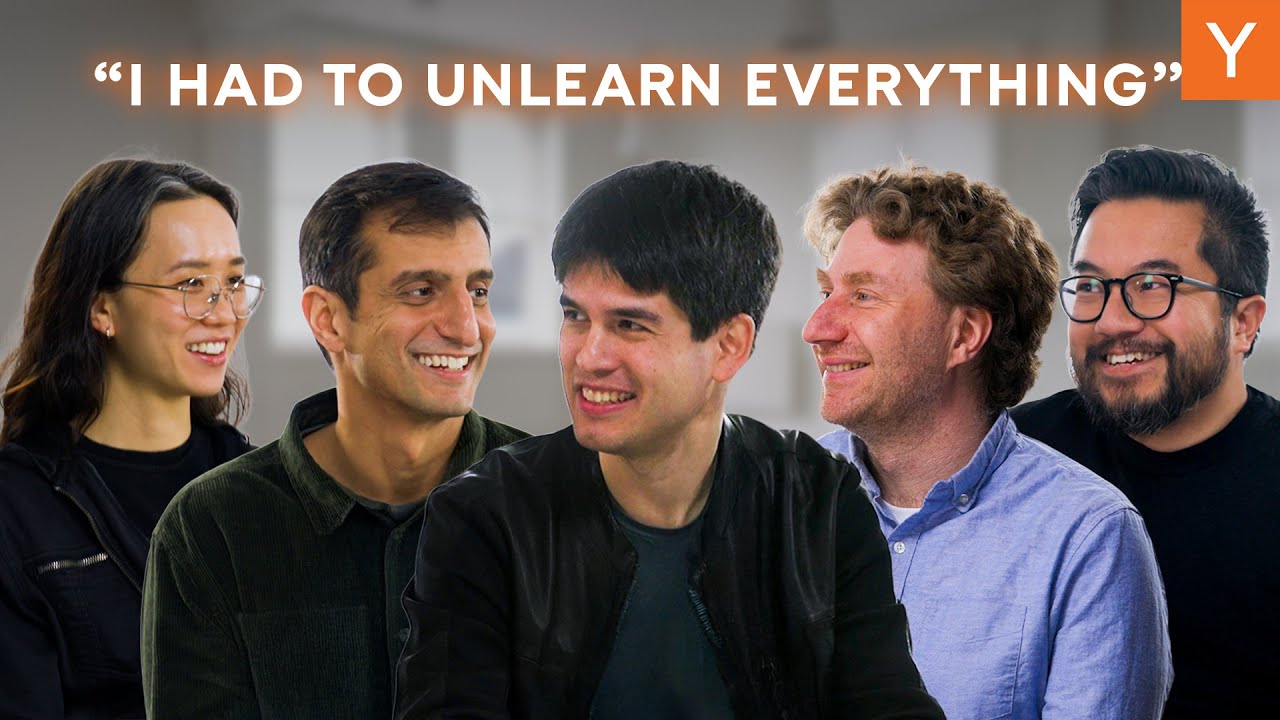
Spencer Skates, CEO of Amplitude, discusses the critical shift from a traditional SaaS mindset to embracing AI by fostering cultural change, hands-on experimentation, and integrating AI to augment rather than replace existing products. He also highlights the personal growth required for founders to transition into effective CEOs, emphasizing delegation, focus, and perseverance amid the evolving competitive landscape shaped by AI innovation.
In this insightful conversation, Spencer Skates, CEO and co-founder of Amplitude, shares his journey from founding a startup to leading a public company, emphasizing the challenges and transformations involved in embracing AI within a traditional SaaS business. Initially skeptical about AI’s potential, Amplitude only began seriously integrating AI into their products in late 2024 after witnessing its transformative impact on software engineering productivity. This shift was catalyzed by hiring a new engineering leader experienced in AI and acquiring a YC company specializing in AI-driven user guidance, which helped the organization embrace AI from the ground up.
Spencer highlights the importance of training and cultural change within the company to adopt AI effectively. They organized an “AI week” to educate leaders and teams on AI capabilities, encouraging hands-on experimentation rather than top-down mandates. This approach helped overcome internal skepticism and fostered a bottoms-up adoption of AI tools, leading to the launch of several AI-powered products designed to enhance the existing analytics platform rather than replace it. He stresses that AI integration is not about discarding the old roadmap but augmenting it to improve usability and competitiveness.
A significant theme in the discussion is the contrast between the traditional SaaS development model and the new AI-native approach. Spencer explains that while SaaS relies heavily on customer feedback loops to prioritize features, AI products require a deep understanding of the technology’s capabilities first, as customers often cannot articulate what is possible with AI. This shift demands a new mindset from engineers and product teams, blending domain expertise with AI fluency. He also notes the generational and mental gap between engineers accustomed to the pre-AI world and those native to AI technologies.
Spencer candidly discusses the personal and organizational challenges of scaling from a founder-led startup to a large company executive. He describes the necessity of learning to delegate, embrace hierarchy, and focus on high-impact areas rather than being involved in every detail. This transition is difficult and requires unlearning some founder habits, but it also provides leverage through resources and a broader leadership role. He advises aspiring founders to be clear about their intrinsic motivation and mission, as perseverance through inevitable hardships is crucial for long-term success.
Finally, Spencer reflects on the broader market opportunities and competitive landscape shaped by AI. He sees incumbents like Google as vulnerable due to their slow innovation pace and believes there is significant potential for startups to disrupt established players by focusing on specific problems and buyers. He also warns against overhyping AI’s ability to replace SaaS entirely, emphasizing the importance of reliability and user control in business workflows. Throughout, Spencer advocates for openness, continuous learning, and sharing experiences to help others navigate the evolving tech landscape.