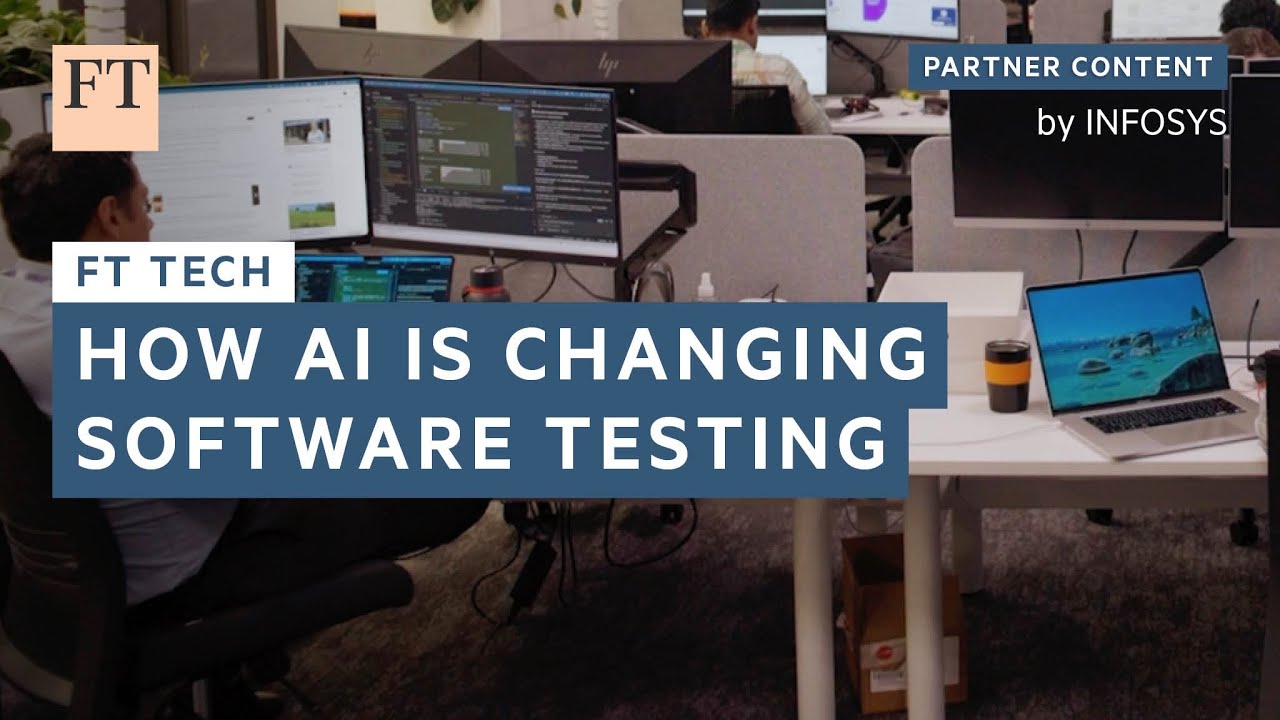
Spark, New Zealand’s largest telecom company, partnered with Infosys to develop Vibe, an AI-powered tool that accelerates software testing by handling repetitive tasks and improving efficiency by up to 50%. By treating Vibe as a junior teammate requiring oversight, Spark empowered staff to focus on more complex work, eased concerns about job security, and paved the way for broader AI integration across the organization.
Spark, New Zealand’s largest telecommunications company, relies heavily on software to run its business. To accelerate their software testing process and enable faster releases, Spark has introduced an AI-powered tool called Vibe. Rather than viewing Vibe as a simple tool or robot, Spark likens it to a junior tester or intern. This means it requires supervision, training, and ongoing oversight to ensure it learns and improves over time.
The development of Vibe was a collaborative project between Spark and their key development partner, Infosys. Both onshore and offshore teams worked together, combining Spark’s understanding of their business environment with Infosys’s technical expertise. This partnership allowed them to tailor the AI solution to Spark’s specific needs and processes, resulting in a more effective and integrated tool.
Vibe has delivered significant efficiency gains, making the software testing process 30 to 50 percent faster than traditional methods. This increased speed allows the team to focus on more complex problem-solving, while Vibe handles repetitive scripting and day-to-day testing tasks. A notable success story was the launch of a new kids’ plan, where Vibe not only shortened the time to market but also identified critical bugs that might have otherwise been missed.
The introduction of AI into the workflow initially raised concerns among staff about job security. However, by involving the team in the process and allowing them to experiment with AI before full implementation, Spark helped employees understand how AI could support rather than replace them. This approach increased their confidence and demonstrated that AI could free them from menial tasks, enabling them to focus on more innovative and rewarding work.
Looking ahead, Spark and Infosys plan to rethink the entire software development lifecycle, from requirements to deployment, potentially introducing new roles and checkpoints. The success of Vibe in software testing offers a glimpse into how AI could transform other areas of the organization. Ultimately, Spark envisions a future where AI handles routine tasks, empowering employees to be more creative and focus on the aspects of their jobs they enjoy most.