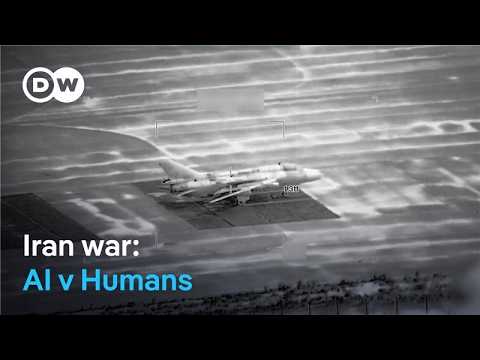
The Iran conflict showcases a historic integration of human intelligence and advanced AI technologies by agencies like Mossad and the CIA, enhancing rapid decision-making and military operations while also exposing risks from overreliance on AI. Despite technological advancements, human judgment, trust, and diplomacy remain crucial, as the war highlights the complex interplay between AI-driven analysis and the enduring need for human agency in conflict resolution.
The Iran conflict marks a historic turning point in the use of intelligence, blending traditional human intelligence with advanced artificial intelligence (AI) technologies. Expert Akash Manri Gowami explains how agencies like Israel’s Mossad and the United States CIA have integrated AI to process vast amounts of classified and unclassified data, enabling rapid and large-scale military operations. This fusion of human insight and AI-driven analysis has accelerated decision-making and strike capabilities, exemplified by targeted assassinations such as that of Ayatollah Ali Kame, where Mossad combined on-the-ground human intelligence with AI surveillance tools.
Mossad, with its significant budget and elite status, has played a crucial role in facilitating US and Israeli objectives in the conflict. Their operations have included hacking into Iranian CCTV networks and coordinating complex intelligence efforts. However, the reliance on AI has also led to tragic errors, such as the bombing of an elementary school in Manub, which was mistakenly targeted due to outdated intelligence fed into AI systems. This incident highlights the risks of overdependence on AI without sufficient human oversight, underscoring the ongoing tension between technological efficiency and the need for human judgment.
The conflict has severely impacted Iran’s internal security, with numerous clandestine operations targeting senior Hamas and regime officials on Iranian soil. This has led to a deepening paranoia within Iran’s counterintelligence services, resulting in mistrust and slower decision-making processes. The erosion of trust within Iran’s security apparatus is a strategic advantage for Mossad and its allies, complicating Iran’s ability to effectively respond to intelligence threats and maintain internal cohesion during the war.
Despite the high-tech nature of the conflict, human intelligence remains indispensable. Analysts are crucial for interpreting AI-generated data and making nuanced decisions about legitimate targets. The war also reveals the challenges of covert diplomacy, as Iranian intelligence officials view any engagement with US or Israeli counterparts as betrayal, effectively stifling back-channel communications that might lead to peace. This dynamic illustrates the complex interplay between technology, human agency, and political realities in modern warfare.
Ultimately, the Iran war exemplifies the merging of human and artificial intelligence in military conflict, raising profound questions about the future of warfare and intelligence. While AI enhances speed and scale, it cannot replace the human elements of trust, judgment, and diplomacy necessary for conflict resolution. The war may be remembered as the moment when the boundaries between human and machine intelligence blurred, but the path to peace still depends on human actors willing to bridge divides and engage in dialogue.