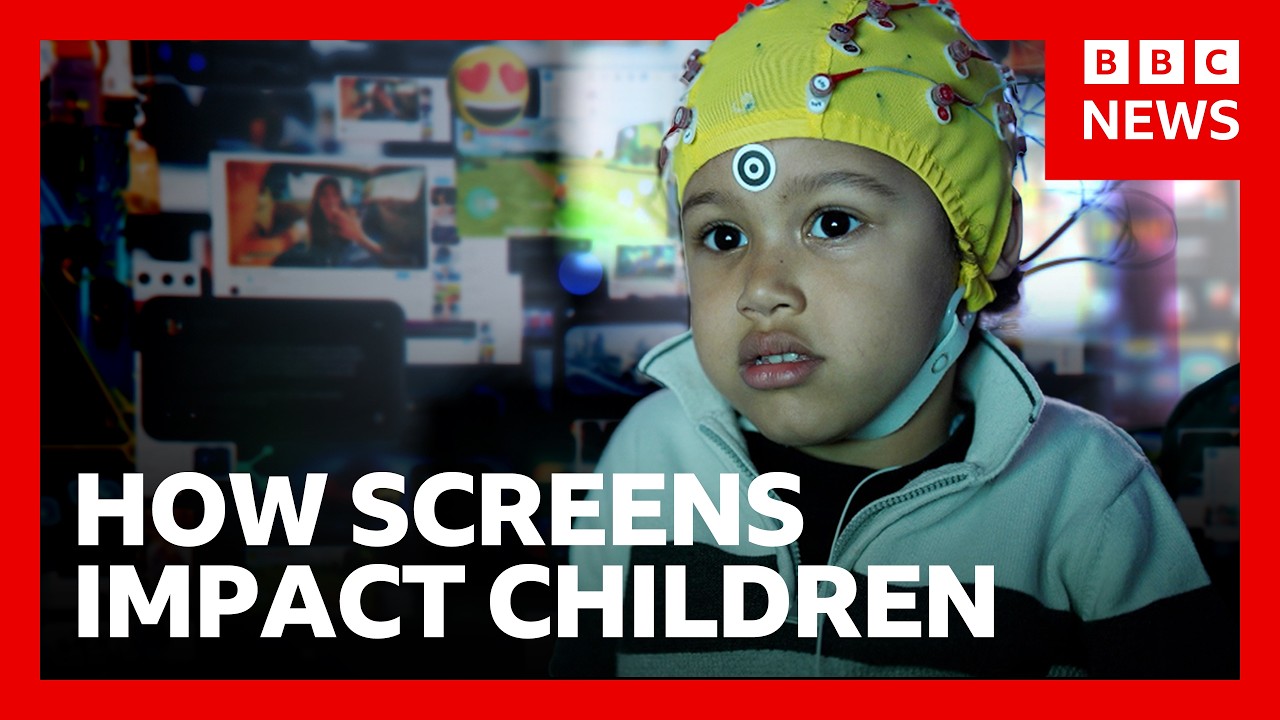
Scientists in the UK have been studying the effects of screen time on young children’s brain development, particularly focusing on toddlers watching fast-paced content. Their research has revealed that toddlers’ brains process information much slower than adults, making it difficult for them to keep up with rapid changes on screens. This fast-paced viewing can trigger the fight-or-flight stress response in children, causing increased heart rates and energy release, even though they are physically still. Such stress responses may negatively impact children’s emotional regulation and behavior as they grow.
In response to these findings, the UK government introduced new guidelines in March 2026 for screen time among children under five. The advice recommends no screen time for children under two unless it is a shared activity, such as video calls with relatives. For children aged two to five, screen time should be limited to one hour per day, avoiding screens during meals and the hour before bedtime. Parents are encouraged to choose slow-paced, age-appropriate content and to watch screens together with their children, while avoiding fast-paced videos and AI toys.
The changing nature of screen content over the past two decades has contributed to these concerns. Modern screen media often features shorter episodes, rapid scene changes, multiple characters, and quick plot developments, which can overwhelm young children’s slower processing abilities. Researchers at the University of East London measured toddlers’ eye movements, heart rates, and brain activity to understand how fast-paced content affects them, finding that it can induce stress responses similar to those triggered by real danger.
Implementing the new guidelines can be challenging for families, as demonstrated by the Montastier family from Manchester. With two young children, they found it difficult to reduce screen time consistently, especially during busy periods like mornings and after school. While they made some progress by replacing screen time with activities like dancing, the parents acknowledged that completely cutting out screens is unrealistic given their daily routines. The experience, however, raised their awareness about screen use and encouraged them to consider healthier habits.
Experts emphasize that technology is an integral part of modern life and that completely avoiding it is neither practical nor beneficial. Instead, they advocate for integrating technology positively into family life and trusting parental instincts to make the best decisions for their children. As technology continues to evolve and research expands, government guidelines will likely be updated to reflect new knowledge about the impact of screens on young children’s development.