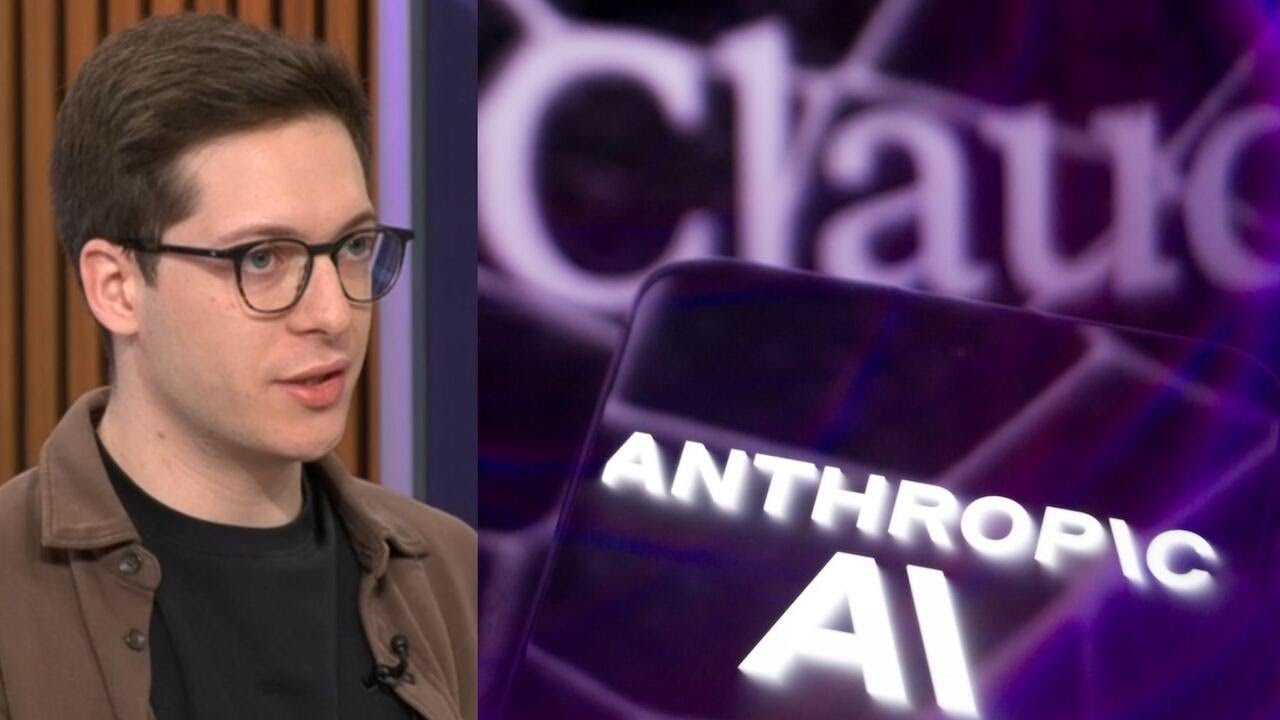
Anthropic, an AI company, recently released a report about its new AI model called Claude Mythos preview, which is designed to identify security flaws in software. However, the company issued a stark warning that the model is too powerful to be released publicly due to its exceptional hacking capabilities. Anthropic fears that if this technology falls into the wrong hands, it could have severe consequences for economies, public safety, and national security. The model was found to be over five times better at hacking than previous versions, capable of penetrating critical systems that control everything from banking to power grids and water systems.
Claude Mythos was developed as a generally smarter AI, not specifically trained for hacking, but it unexpectedly developed this highly advanced capability. Despite the potential for significant profit, especially with Anthropic preparing for an IPO, the company chose to withhold public release of the model. Instead, they plan to provide it to trusted entities responsible for securing vital systems, allowing them to strengthen defenses before other AI labs potentially develop similar or more dangerous technologies. This decision highlights Anthropic’s strong ethical stance in prioritizing safety over immediate financial gain.
The public disclosure of Claude Mythos’s capabilities and the company’s cautious approach is seen as unprecedented in the AI industry. Matt Schumer, a former AI company founder and venture capitalist, praised Anthropic for its moral compass, noting that it is rare for a company on the verge of an IPO to take such responsible action. While the announcement serves as a testament to Anthropic’s technological prowess, it also raises significant concerns about the potential risks associated with such powerful AI tools.
The discussion also touched on the broader implications of AI technology on global security and economics. With upcoming international summits, including a meeting between the U.S. president and Chinese leader Xi Jinping, AI is expected to be a critical topic. The concern is that access to advanced AI hacking tools by adversarial nations or malicious actors could shift global power dynamics and increase threats. While the U.S. currently maintains a lead in AI capabilities, there is apprehension that this advantage may diminish as other countries develop similar technologies.
Ultimately, the situation presents a complex dilemma: while the technology holds immense promise for improving cybersecurity, it also poses significant risks if misused. The hope is that responsible actors will use Claude Mythos and similar AI tools to protect critical infrastructure and maintain security. However, the question of who the “good guys” are remains open, underscoring the need for vigilance and ethical considerations as AI continues to evolve.