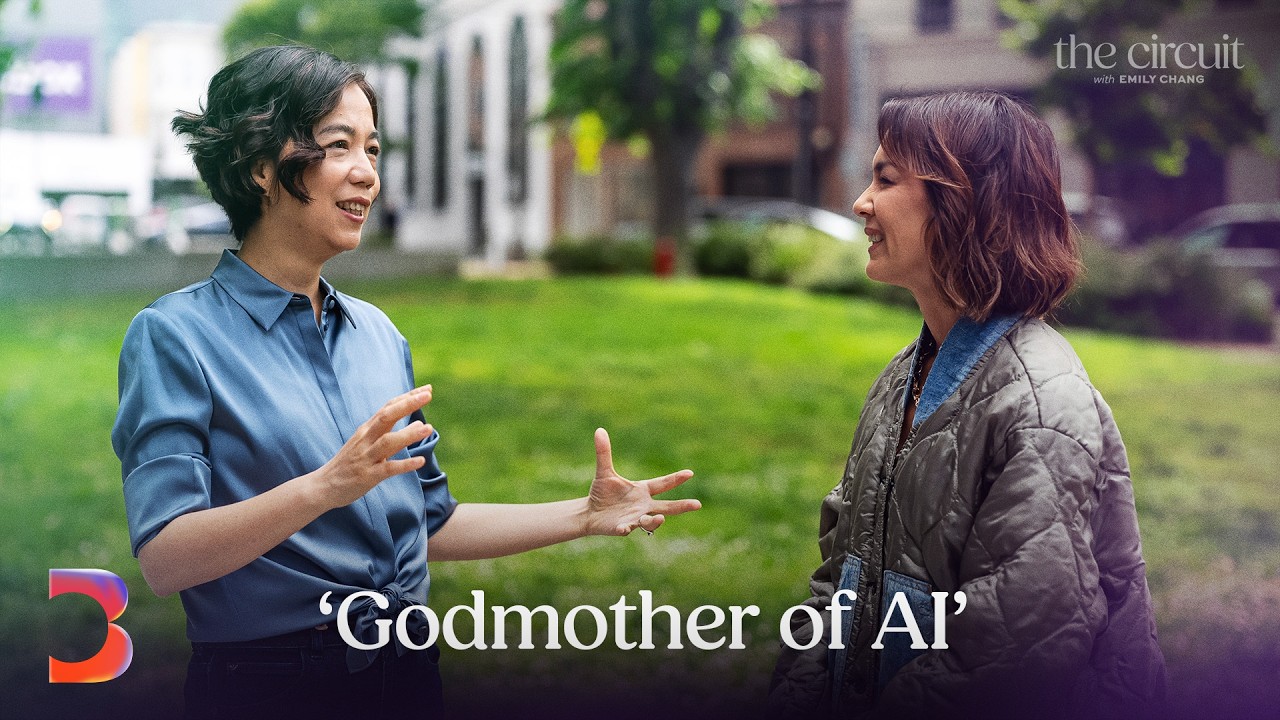
Fei-Fei Li, renowned as the “Godmother of AI,” is a pioneering figure in computer vision, a branch of artificial intelligence focused on teaching machines to see. She revolutionized AI with ImageNet, a vast visual database that catalyzed modern AI development. Beyond her academic and executive roles, Li is now a startup co-founder, leading World Labs, which is developing “world models”—AI systems designed to predict and interact with the physical world, moving beyond the language-focused capabilities of large language models like ChatGPT.
World models represent a new frontier in AI, aiming to equip machines with spatial and physical intelligence necessary for real-world tasks such as robotics and autonomous navigation. Li explains that these models involve rendering, simulation, and planning, enabling AI to understand and act within three-dimensional environments. Her startup’s first product, Marble, allows users to create navigable 3D worlds from simple prompts, serving applications in virtual production, gaming, and robotics training. Despite intense competition from tech giants, Li remains focused and optimistic about World Labs’ potential to lead in this emerging field.
Li’s journey from a curious child in China to a leading AI scientist in the US underscores her deep-rooted passion for science and technology. She emphasizes the importance of data and algorithmic innovation in AI’s progress and reflects on the cultural and societal shifts AI is driving globally. While acknowledging the hype and challenges surrounding AI, she advocates for a balanced, science-based approach to AI policy and governance, stressing the need for public sector support and STEM education to ensure AI benefits humanity broadly.
Addressing concerns about AI’s risks, Li highlights the potential for misuse of powerful models and the ethical responsibilities of AI developers. She rejects the notion of a “God complex” among AI leaders, advocating instead for collective governance and transparency. Li believes AI should empower people rather than replace them and stresses the importance of maintaining human dignity and agency as AI technologies evolve. Her vision is one where AI serves as a tool for societal good, advancing scientific discovery and improving lives.
Looking ahead, Li is optimistic about AI’s trajectory, believing that despite current uncertainties and challenges, technological progress will ultimately bend toward benevolence. She sees AI as a transformative force with the potential to enhance education, healthcare, and everyday life. Her lifelong curiosity, including an interest in outer space and the unknown, reflects her broader hope that intelligence—whether artificial or extraterrestrial—can lead to new discoveries and a better future for humanity.