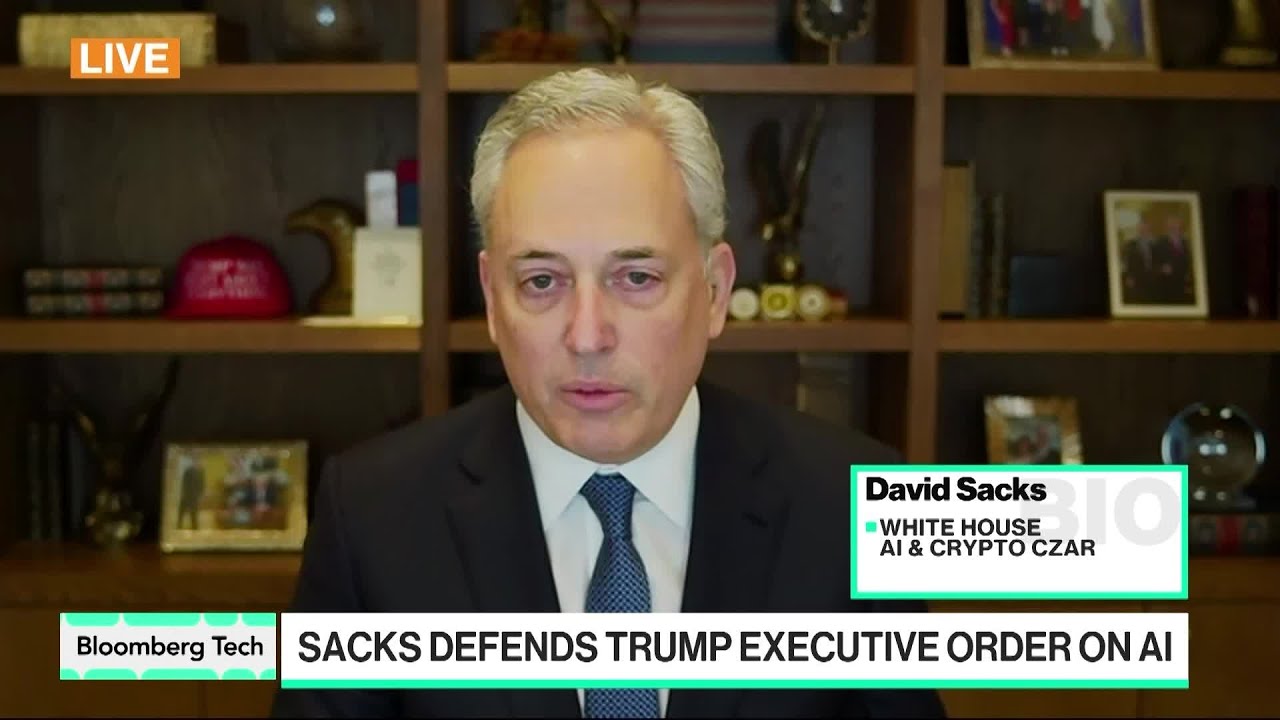
The discussion centers on the challenges posed by the current fragmented landscape of AI regulation across the United States, where over a thousand bills are being considered at the state level, with more than 100 already passed. This patchwork of laws creates a complex compliance environment, particularly burdensome for small companies and startups. The executive order (EO) supported by the President aims to address this by advocating for a single federal or national framework for AI regulation. This approach is intended to streamline compliance and foster innovation, with the administration working alongside Congress to enact such legislation, while also deploying tools to counteract excessively restrictive state regulations in the interim.
The EO articulates a set of guiding principles that emphasize protecting child safety, respecting copyright, and preserving local control over infrastructure decisions. Importantly, it does not seek to preempt states in these areas but rather to establish a coherent national policy. The complexity of AI regulation is highlighted by the fact that AI models can be developed, trained, and deployed across multiple states, each potentially imposing conflicting regulations. Even some Democratic governors, like New York’s Kathy Hochul, acknowledge the difficulties posed by divergent state laws, underscoring the need for a unified federal approach to avoid a regulatory mishmash that could stifle innovation and compliance.
Addressing public concerns about AI’s impact on jobs, the speaker references a Yale study indicating no significant job market disruption in the 33 months following the launch of ChatGPT. Contrary to fears of widespread job losses, the current economic landscape shows job growth, particularly in sectors like construction, which is experiencing a boom with rising wages and labor shortages. The narrative that AI is causing job displacement is described as exaggerated, with the overall economy benefiting from AI-driven productivity gains contributing to GDP growth.
The EO also empowers the Department of Justice (DOJ) to form a litigation task force aimed at challenging state laws deemed excessively burdensome or unconstitutional, particularly those that might infringe on First Amendment rights. While the DOJ already possesses such authority, the EO consolidates federal resources to support the President’s goal of establishing a national regulatory framework. One example cited is Colorado’s law targeting algorithmic discrimination, which poses compliance challenges for AI developers and raises concerns about ideological imposition on AI models. However, no specific litigation targets have been decided yet.
Finally, the conversation touches on the geopolitical dimension of AI and semiconductor technology, particularly U.S.-China relations. The U.S. restricts the export of leading-edge chips to China, aiming to maintain technological superiority and limit China’s semiconductor independence ambitions. China reportedly rejects certain U.S. chips, preferring to develop its own national champions like Huawei. The chips authorized for export are older models, not the latest state-of-the-art technology, reflecting a strategic balance between market competition and national security considerations.