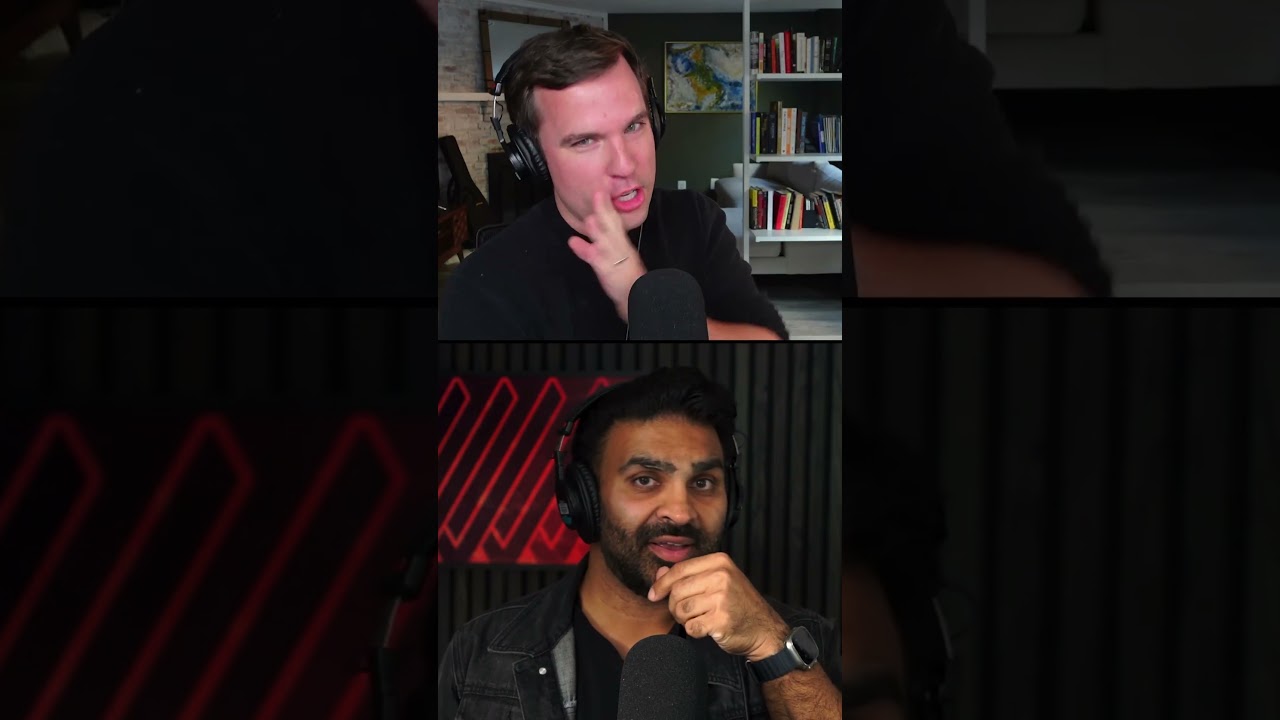
The discussion begins with a humorous take on the idea of declaring Artificial General Intelligence (AGI) and the notion of having an independent expert panel to verify such a declaration. The speakers joke about the absurdity of simply declaring AGI without it being truly developed, likening it to a scene from “The Office” where someone declares bankruptcy by just saying it out loud. They imagine a scenario where Sam Altman, CEO of OpenAI, might prematurely declare AGI, and then figures like Satya Nadella, CEO of Microsoft, would insist on a formal verification process involving a panel of experts.
The conversation then turns to the question of who should be on this AGI verification panel. The speakers humorously suggest unlikely candidates such as the Pope, the Dalai Lama, or even celebrities like Bella Hadid, highlighting the challenge of choosing authoritative figures to judge something as monumental as AGI. They liken the panel to judges on a talent show like American Idol, with Satya Nadella playing the role of Simon Cowell, critically evaluating the claims and ensuring that declarations of AGI are legitimate and not just hype.
One speaker reflects on personal connections, mentioning that their father is a minister, which could provide a unique perspective on the concept of a “digital god.” This leads to a playful consideration of how religious or spiritual viewpoints might intersect with the development of AGI, and whether such a creation would be seen as divine or dangerous. The idea of creating “WWAG” (What Would AGI Do) bracelets as a cultural symbol is proposed, similar to the Livstrong bracelets, to signify awareness or support for AGI-related issues.
The discussion then shifts to Microsoft’s intellectual property rights, which have been extended through 2032 to cover models and products even after the advent of AGI, with the inclusion of appropriate safety guardrails. This raises questions about what safety measures could realistically be implemented once AGI, or a “digital god,” exists. The speakers express skepticism about the effectiveness of such guardrails, joking about the idea of telling a powerful entity like Vishnu not to destroy the world, highlighting the potential risks and challenges of controlling superintelligent AI.
Overall, the conversation blends humor with serious concerns about the future of AGI, the process of verifying its existence, the composition of oversight panels, and the ethical and safety implications of creating a technology that could surpass human intelligence. The speakers use satire and cultural references to explore the complexities and uncertainties surrounding the development and governance of AGI.