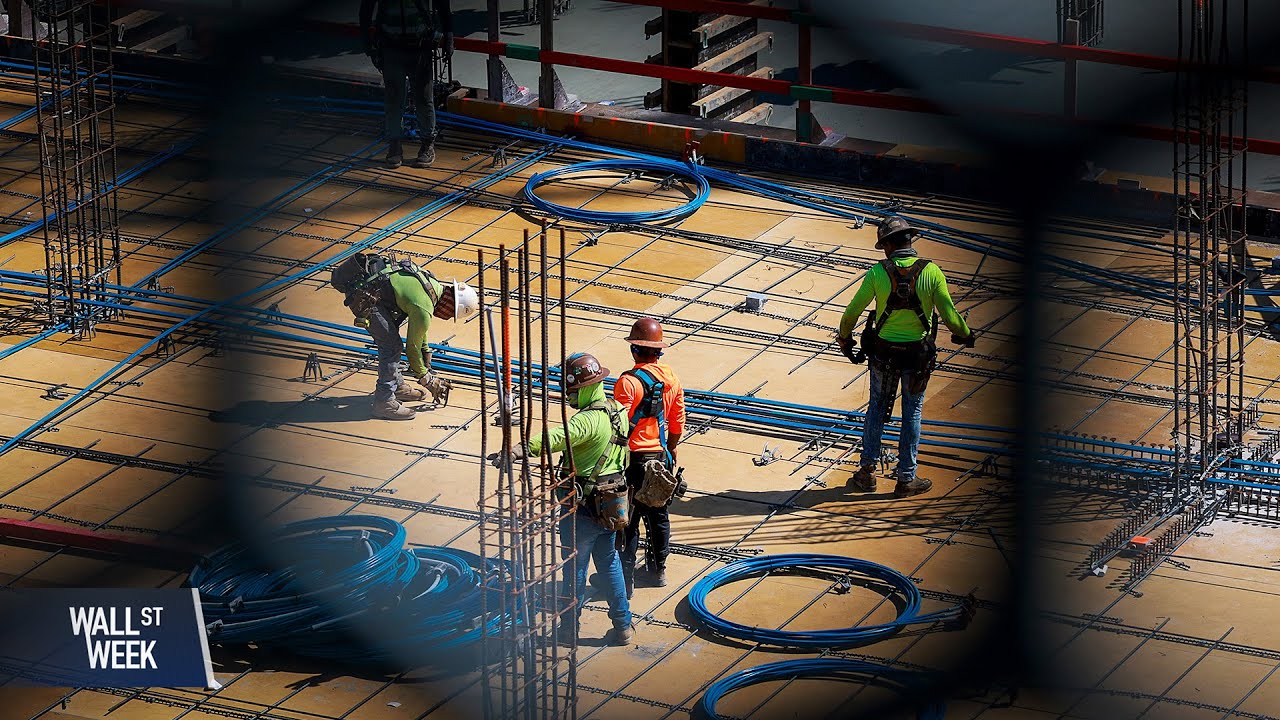
The video explores the critical role of the construction industry in building the future of artificial intelligence, particularly through the rapid expansion of data centers. As AI investment surges, the demand for new data centers has skyrocketed, creating an urgent need for skilled construction workers, especially electricians, HVAC specialists, and other tradespeople. Companies like DPR Construction, one of the largest data center builders in the U.S., are experiencing unprecedented growth and pressure to deliver projects faster and more cost-effectively.
A major challenge facing the industry is a growing labor shortage, exacerbated by the retirement of experienced workers and a lack of younger people entering the skilled trades. While construction employment has grown by 20% over the past five years—outpacing most other industries—this growth has recently slowed due to demographic shifts. The expertise required for data center construction is highly specialized, making it difficult to quickly replace retiring workers, particularly in fields like HVAC where precision and experience are crucial.
To address these shortages, the industry is offering higher wages and significant bonuses to attract new talent. Community colleges and workforce development programs, such as those at Germanna Community College in Virginia, are seeing increased enrollment in skilled trades. Students are drawn by the promise of immediate employment, high salaries, and little to no student debt. Some graduates are earning six-figure salaries within a year or two of completing their training, highlighting the lucrative opportunities available in the sector.
In addition to recruiting new workers, companies are innovating by prefabricating components offsite and using technology to streamline construction processes. This approach allows less experienced workers and apprentices to contribute effectively, reducing the reliance on highly skilled labor for every aspect of a project. Technology is not replacing workers but enabling the existing workforce to be more productive and efficient, helping to mitigate the impact of labor shortages.
The video concludes by challenging outdated perceptions of construction work and emphasizing the importance of skilled trades in supporting the next technological revolution. As AI continues to transform the economy, the need for traditional construction skills remains vital. The industry is working to change its image and attract a new generation of workers, including women and young people, to ensure that the infrastructure powering AI can be built and maintained. The future of AI, it suggests, depends as much on carpenters and electricians as it does on computer scientists and engineers.