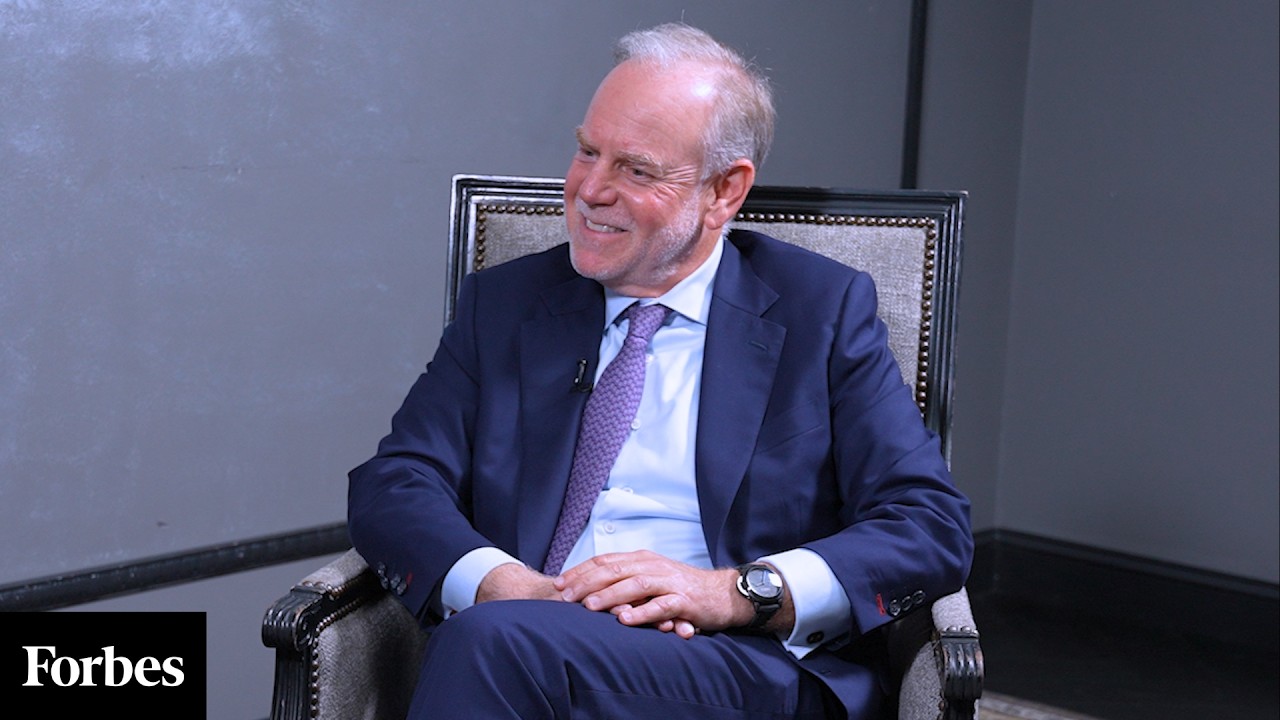
In this insightful discussion, Adam Spector, CEO of Fiduciary Trust International, emphasizes the indispensable role of human judgment in wealth management despite the rise of AI and technology. While AI can provide factual and rational answers, wealth decisions are deeply emotional and value-driven, requiring personalized guidance and relationship-building that only humans can offer. AI serves best as a tool to empower individuals, enhancing their understanding and enabling more meaningful conversations with their advisors.
Spector highlights the complexity of managing wealth, especially for families whose assets and interests span generations and global borders. He advises clients to focus on the stability and breadth of services offered by wealth management firms, stressing the importance of coordinated, comprehensive advice that covers investment management, tax strategy, estate planning, philanthropy, and intergenerational wealth transfer. This holistic approach ensures that all aspects of a family’s wealth are aligned and optimized over time.
A recurring theme is the need for families to shift their focus from past investment performance to future opportunities and risks. Spector points out that many clients overly concentrate on short-term returns, neglecting critical issues like tax efficiency, spending rates, and the management of illiquid assets such as art collections. He underscores the importance of dynamic, forward-looking planning that adapts to changing markets, family circumstances, and values.
Coordination among advisors is another crucial factor in successful wealth management. Spector explains that even families working with top specialists can face failures if those advisors do not collaborate effectively. True coordination means advisors understand and engage with each other’s disciplines, ensuring that legal, tax, and investment strategies are integrated to serve the family’s overall goals. Longevity and multi-generational experience of a firm also play a vital role in guiding families through complex wealth transitions.
Finally, Spector reflects on the evolving role of AI, viewing it as a means to augment human expertise rather than replace it. AI can accelerate data analysis and free advisors to focus on nuanced, emotional, and value-laden decisions. Successful families, he notes, are those who clearly define their purpose for their wealth and continuously revisit that purpose to guide their financial decisions. Ultimately, understanding the “why” behind wealth is essential for preserving and growing it across generations.
Useful Links