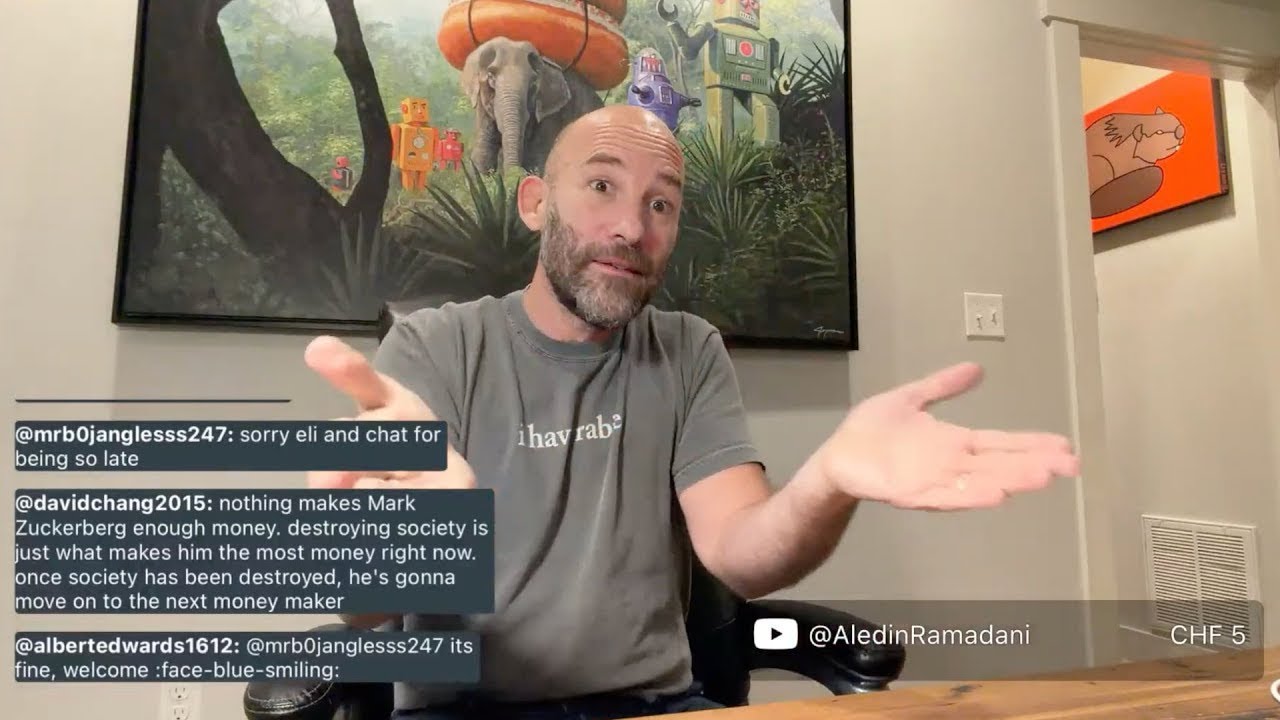
The video begins with the host, Eli the Computer Guy, reflecting on generational differences, particularly the often-overlooked Gen X experience. He humorously laments how Gen X is frequently ignored in mainstream discussions, sandwiched between the more talked-about Boomers, Millennials, and Gen Z/Alpha. Eli shares anecdotes from his childhood, highlighting the independence and lack of supervision typical for Gen Xers, contrasting it with the more protected upbringing of today’s youth. He also pokes fun at the shifting nature of generational insults and the tendency for younger generations to mislabel Gen X as Boomers.
Eli then shifts to discussing his current work and motivations for making YouTube videos, which primarily serve to promote his Silicon Dojo educational initiative and to solicit donations. He reminisces about his long history on YouTube, the evolution of his content, and the challenges of sustaining free, hands-on tech education. He notes the increasing demands on his time and hints at a desire to focus more on practical technology demonstrations in future streams, rather than just sharing opinions.
The main topic of the video is a critique of recent tech industry hype, specifically Elon Musk’s proposal to build AI data centers in space. Eli recounts listening to a podcast where Musk discusses the idea of manufacturing silicon wafers on the moon and launching data centers into orbit to avoid Earth’s zoning and regulatory issues. Eli finds this notion absurd, pointing out the vast amount of unused land on Earth and the logistical and economic impracticality of such a venture. He criticizes Musk’s tendency to make grandiose, unrealistic promises, suggesting that these claims border on fraud, especially when tied to potential IPOs.
Eli also addresses the broader AI investment bubble, questioning the real-world value and return on investment of current AI technologies. He demonstrates how powerful, open-source AI models can now run efficiently on consumer hardware, challenging the need for trillion-dollar data centers. He expresses skepticism about the sustainability of the current AI boom, drawing parallels to past tech bubbles and wondering what, if any, lasting infrastructure or value will remain after the hype subsides.
In closing, Eli reiterates his concerns about the tech industry’s obsession with scale and spectacle over practical utility. He warns that the current AI frenzy is likely to end in disappointment, with little to show for the massive investments being made. He encourages viewers to focus on tangible skills and real-world applications, promoting his Silicon Dojo classes as a way to gain hands-on experience. Throughout, Eli maintains a humorous, irreverent tone, using personal stories and technical demonstrations to underscore his points about generational change, tech industry excess, and the importance of grounded, practical education.