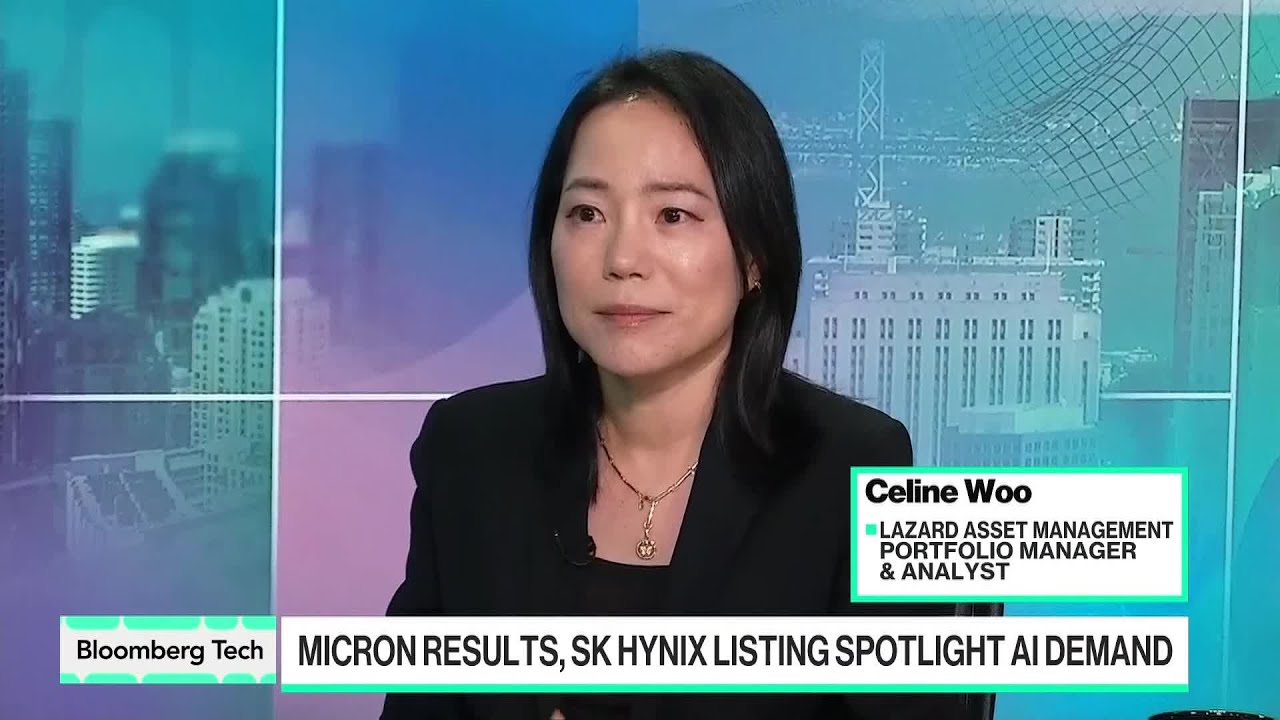
The memory market is becoming less cyclical due to structural changes driven by increasing strategic demand from AI technologies and cloud service providers, alongside supply constraints like rising manufacturing complexity and capital costs. This shift, supported by strong investor interest and evolving high-performance computing needs, signals sustained growth and long-term value for memory stocks within the broader AI ecosystem and emerging applications such as autonomous systems and robotics.
The memory market is currently experiencing demand that exceeds supply, a historically favorable position for memory makers. Despite recent strong performance in memory stocks, the investment case remains compelling due to structural changes rather than just temporary supply bottlenecks. Memory’s strategic value is increasing, especially as cloud service providers continue to add memory to maximize system performance despite rising prices. The growing demand driven by AI technologies, such as inference and agent AI, is creating new challenges in capacity and bandwidth that memory solutions are well-positioned to address.
Investor interest is further boosted by the availability of US-listed shares and ADRs of major memory companies like SK, which broadens the shareholder base and signals confidence in improving fundamentals. This development is seen as positive for the market and the companies involved. The traditional view of memory as a cyclical boom-and-bust industry is being challenged, particularly in the context of high-performance computing (HPC) in data centers, where demand patterns are evolving due to structural factors on both the supply and demand sides.
On the supply side, despite efforts by major companies to increase production, several factors limit rapid expansion: rising manufacturing complexity, increasing capital costs for new fabs, and the challenges of technology migration. These constraints suggest that the supply-demand balance will continue to favor memory stocks, supporting their long-term value. This structural shift underpins the belief that memory demand will be less cyclical moving forward.
The discussion also highlights an actively managed ETF focused on the AI tech stack, which includes both capital expenditure deployers and recipients within the same portfolio. This approach reflects the current investment landscape, where companies investing heavily in AI infrastructure coexist with those benefiting from this capital deployment. Recent engagements with supply chain companies in Asia reveal extended order visibility and robust demand outlooks, reinforcing confidence in sustained AI-driven growth.
Looking ahead, the focus extends beyond immediate hardware needs to the broader AI ecosystem, particularly the application layer and the emerging field of physical AI. This area, encompassing autonomous transportation and humanoid robots, represents a multi-trillion-dollar long-term opportunity driven by AI’s role in productivity gains and economic expansion. While these innovations may take years to translate into corporate earnings, the strategy emphasizes companies with manufacturing excellence, scalable platforms, and global reach to capitalize on AI adoption, signaling continued excitement and optimism about the sector’s future.