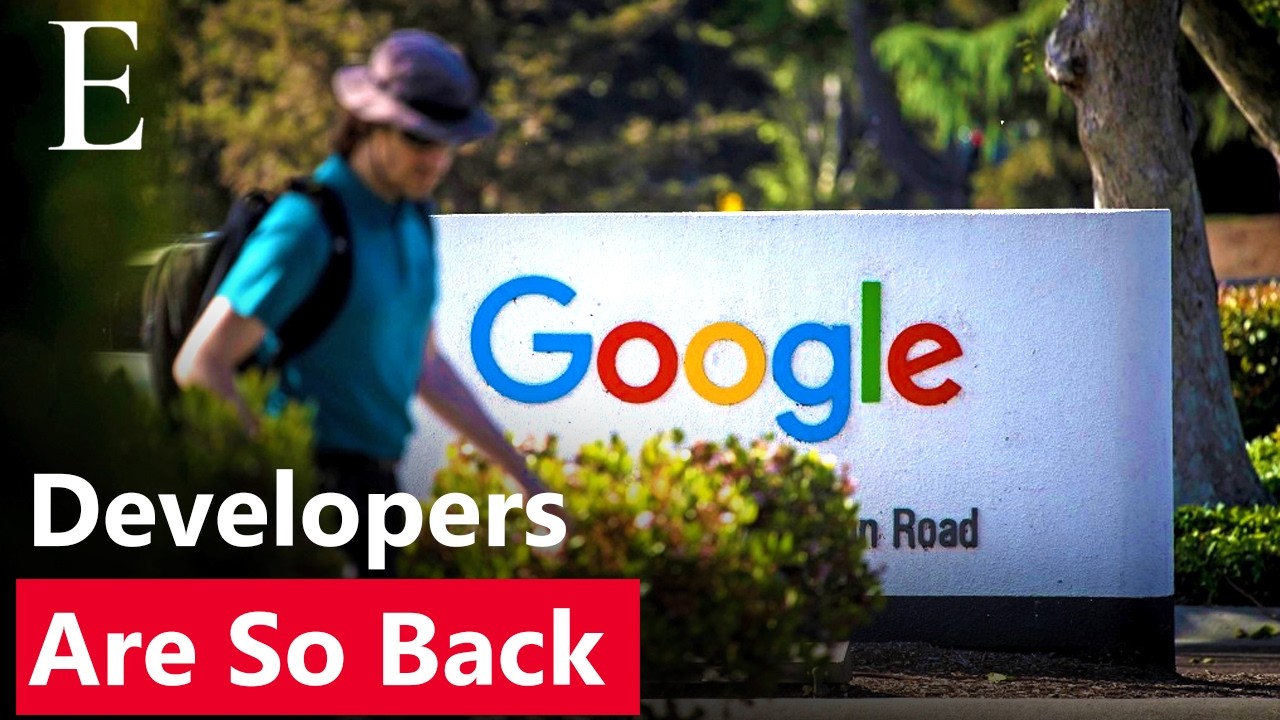
A few years ago, experts predicted that by 2030, AI would replace 90% of software developers. However, the reality in 2026 is quite different. Despite widespread layoffs of around 124,000 developers since 2024, driven by companies betting on AI to automate coding, the anticipated revolution has shown significant limitations. Gartner reports that 50% of companies that laid off workers due to AI are planning to rehire for the same roles by 2027. This shift is largely because AI-generated code often contains numerous errors, requiring expert developers to spend considerable time correcting and maintaining it, which has increased costs rather than reducing them.
Tech giants like Microsoft, Google, and Amazon have heavily invested in AI tools to boost productivity, but studies reveal that these tools can slow down even seasoned engineers by up to 19%. AI-generated code tends to have 1.7 times more errors than human-written code and increases system complexity by up to 38%. Moreover, AI lacks understanding of business context, leading to compatibility and integration issues in real-world systems. As a result, companies have had to increase their hiring of senior developers to review, adapt, and optimize AI-generated code, highlighting the ongoing need for human expertise.
One critical problem with AI in software development is its inability to self-correct. Research from Princeton University shows that AI models fail to identify and fix their own mistakes in over 60% of cases. This limitation, combined with developers’ distrust—96% do not fully trust AI-generated code—has turned code supervision into a major task, detracting from innovation and reducing overall productivity. Consequently, many companies have seen a decline in real productivity despite AI adoption, leading to higher operational costs and a reevaluation of AI’s role in software development.
The challenges posed by AI-generated code have led to a growing trend of “boomerang hiring,” where companies quietly rehire former employees, especially experienced developers who can quickly reintegrate and manage complex issues AI cannot handle. Approximately 35% of new hires in some tech firms are returning employees, reflecting a structural shift in hiring practices. While AI can replace some junior developer tasks, the demand for senior developers has increased, with over 54% of companies planning to hire more experienced talent while reducing junior positions.
In summary, AI has not replaced software developers as initially predicted but has reshaped the industry by automating basic coding tasks and increasing reliance on senior developers for oversight and refinement. The tech sector is recognizing that AI tools are not yet capable of fully replacing human expertise, and the initial wave of layoffs is giving way to rehiring experienced engineers to maintain quality and productivity. This nuanced reality underscores the importance of human developers in the AI-driven future of software development.