At the start of 2026, Tesla finds itself in a challenging position within the electric vehicle (EV) market. Global sales have declined for the second consecutive year, dropping by 6.7% in 2025, and the Chinese automaker BYD has overtaken Tesla as the world’s largest EV seller. Despite the company’s stock performing well, this success is disconnected from the reality of its core business, which is struggling with declining sales and underutilized manufacturing plants. Tesla’s ambitious goal of selling 20 million EVs annually by the end of the decade now appears unattainable, as the company has yet to surpass the 2 million mark.
A significant issue for Tesla is the underutilization of its factories, particularly in Berlin and Austin, which are operating at only about 50% capacity. This is a stark contrast to Tesla’s previous growth-focused strategy, where new plants were rapidly opened in anticipation of ever-increasing demand. The lack of new, compelling vehicle models has contributed to this problem. The Model 3 and Model Y still account for about 90% of Tesla’s automotive sales, but attempts to diversify, such as the Cybertruck, have fallen short of expectations. Cheaper variants of existing models have not generated significant consumer interest, and the company’s product lineup is seen as stagnant.
Another major challenge is Elon Musk’s polarizing public persona, which has negatively impacted Tesla’s brand, especially in key markets like Europe and California. Musk’s controversial statements and political affiliations have alienated some consumers, leading to sharp declines in sales in regions that were once strongholds for the company. Despite this, Musk shows no signs of changing his approach, and the company has not directly addressed its recent setbacks in public communications.
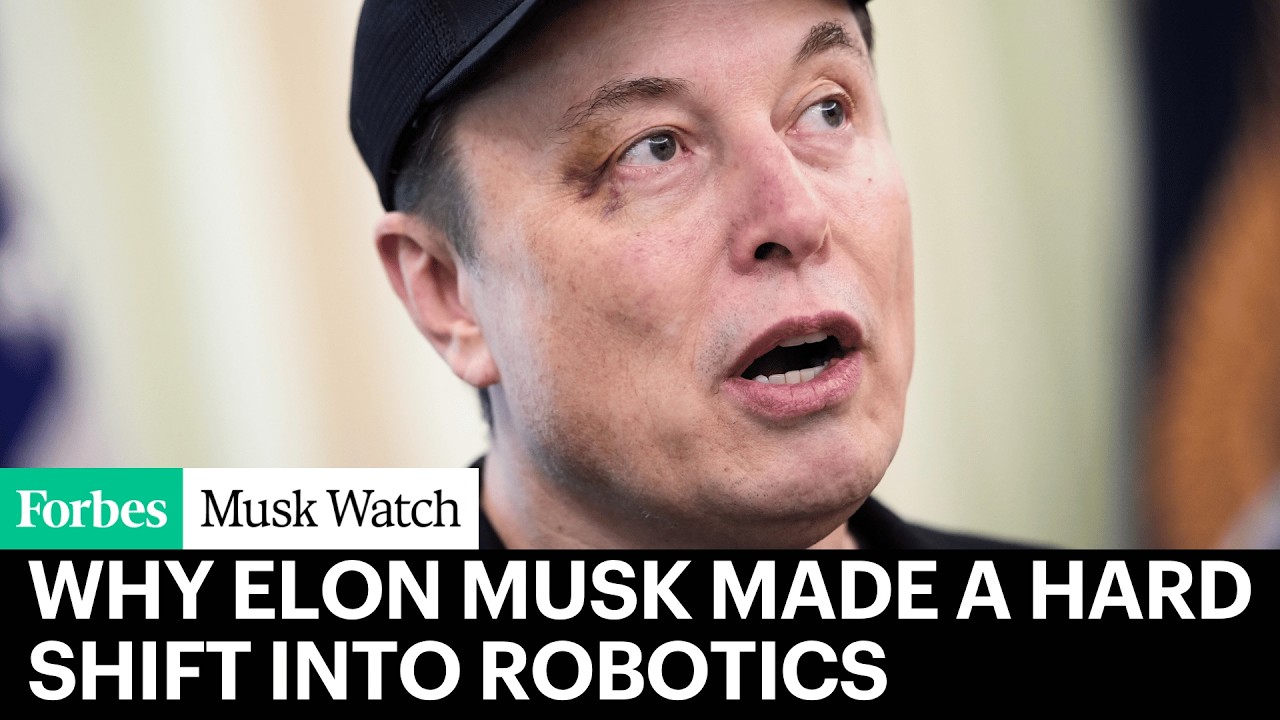
In response to these challenges, Musk is pivoting Tesla’s focus toward robotics, artificial intelligence, and autonomous vehicles, particularly robotaxis and the Optimus humanoid robot. The company is repurposing some of its underused automotive production lines to manufacture robots, with ambitious plans to produce up to a million units annually. However, industry experts remain skeptical about the near-term viability and demand for such products, especially since Tesla’s vision for Optimus is broad and undefined compared to competitors like Hyundai, which are targeting specific industrial applications for their robots.
Looking ahead, the outlook for Tesla’s automotive business remains uncertain, with little expectation of sales growth in 2026 unless a surprise new product emerges. The battery business is a bright spot, but automotive sales—still the bulk of Tesla’s revenue—are likely to remain flat. Musk’s apparent waning interest in the EV sector, combined with heavy investment in unproven ventures like robotics and robotaxis, raises questions about the company’s future direction. The upcoming launch of the Tesla Semi truck is also mistimed, entering a shrinking market with limited growth potential. Overall, Tesla is at a crossroads, facing the consequences of underinvestment in its core automotive business while betting heavily on ambitious but unproven technologies.