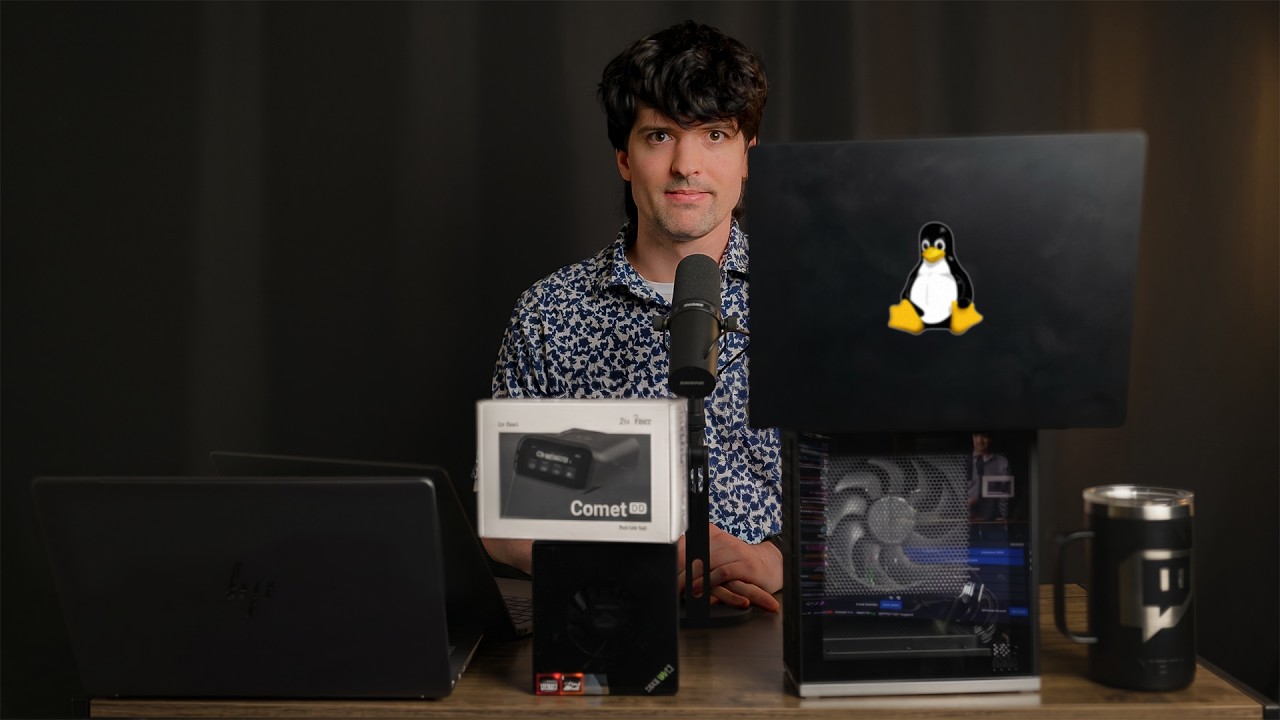
The creator begins by explaining their shift from primarily using a MacBook for development work to adopting a Linux-based workflow. Despite being an Apple fan, they found that running resource-intensive tasks like codecs on Macs caused significant performance issues, including overheating and high CPU usage. The Mac’s security system, particularly the CIS policyd process, further complicated running multiple agents, making the experience frustrating. Additionally, macOS’s APFS file system showed poor performance in handling small file operations common in development, such as cloning repositories and installing packages, where Linux outperformed macOS by a large margin.
To address these challenges, the creator set up multiple Linux machines on their network, accessed remotely via SSH and T3 code, a remote development environment. This setup allows them to offload heavy workloads to powerful Linux boxes, freeing their laptop from intensive tasks and enabling longer-running jobs without overheating or fan noise. They also use a MacBook as the central “brain” to manage SSH keys and coordinate tasks across their fleet of machines, improving workflow efficiency. Despite some limitations like difficulty pasting images over SSH, the overall experience has been much smoother and more productive.
A key innovation in their setup is the use of network KVM devices, specifically the Comet Pro by GLET, which allows full remote control of physical machines, including rebooting and OS installation, independent of the operating system. This hardware enables them to manage machines remotely at a low level, which proved invaluable for troubleshooting and maintaining their Linux rigs. Complementing this is the Fingerbot, a robotic device that can physically press power buttons remotely, ensuring machines can be restarted even if they become unresponsive.
The creator also highlights the benefits of running AI agents like Codex on this Linux infrastructure. By distributing workloads across multiple machines, they can run complex, multi-agent workflows more efficiently without overloading a single device. This orchestration approach has transformed their development process, allowing agents to autonomously investigate codebases, make changes, and manage pull requests with minimal direct intervention. The Linux environment’s superior parallel processing capabilities and faster file system operations significantly enhance these AI-driven workflows.
Finally, the creator reflects on the broader implications of their transition, encouraging others to consider similar setups. They emphasize that modern Linux distributions on reasonably powerful hardware offer a compelling alternative to macOS for development, especially when combined with remote access tools and AI agents. They acknowledge some initial hesitations but conclude that the benefits in performance, control, and workflow flexibility far outweigh the downsides. The creator expresses excitement about upcoming tools like the T3 Code mobile app and encourages viewers to experiment with Linux-based development environments to improve their productivity and reduce hardware strain.