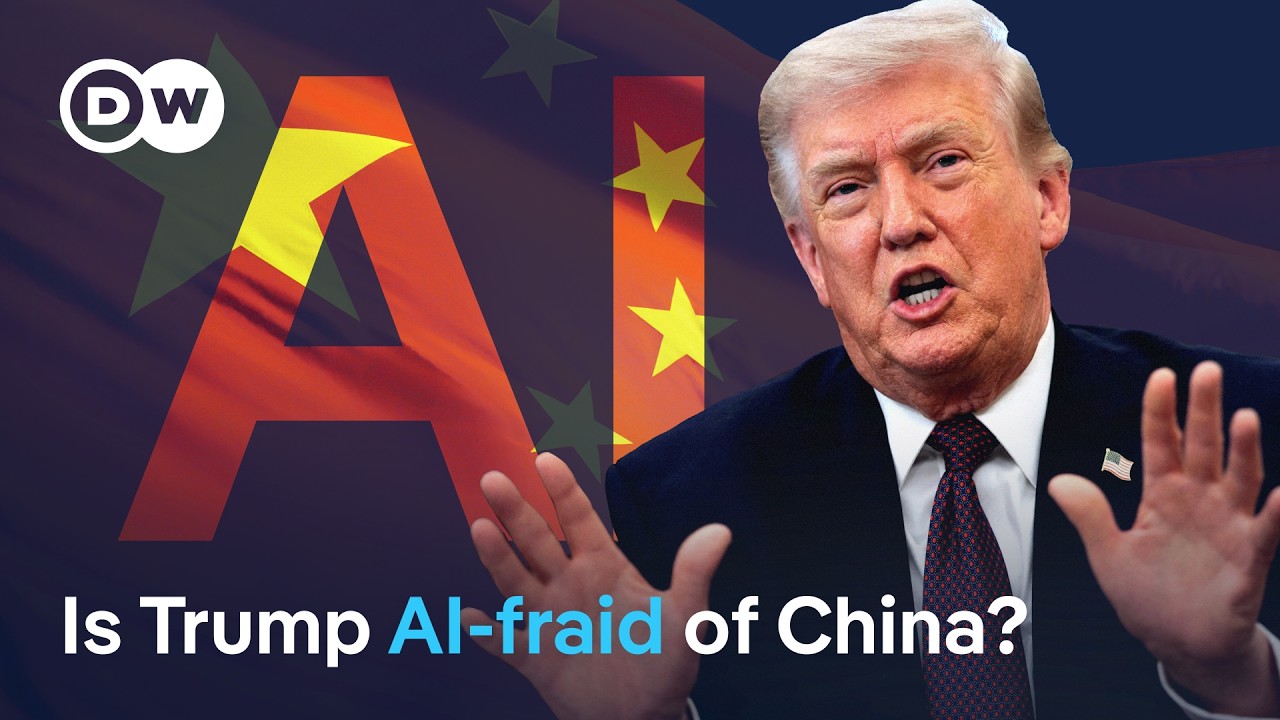
Former President Donald Trump canceled plans for an executive order on AI regulation due to concerns it might impede the US’s competitive edge against China, amid internal White House disagreements over oversight levels. The proposed order aimed to mitigate national security risks from advanced AI models, highlighted by Anthropic’s restricted release of its powerful “Mythos” AI, while the US-China AI race continues alongside differing global approaches to AI governance.
Former President Donald Trump abruptly called off plans to sign a new executive order on artificial intelligence (AI), citing concerns that it might hinder the United States’ competitive edge in the global AI race, particularly against China. The proposed order would have required tech companies to provide the government with early access to new AI models before public release, allowing agencies to assess potential risks and vulnerabilities. This move was prompted by growing fears about the increasing power of AI models and their potential misuse, especially in cyber attacks and threats to critical infrastructure.
The executive order represented a significant shift from Trump’s earlier deregulatory stance on AI, where he emphasized maintaining America’s leadership in the technology sector without heavy government intervention. However, internal divisions within the White House about how to regulate AI—between those favoring more oversight and those advocating for a lighter touch—likely contributed to the decision to postpone the order. The order would have initially been voluntary but could have paved the way for a licensing system, giving the government more control over AI model releases.
A key catalyst for the proposed order was the release of Anthropic’s AI model “Mythos,” which the company described as too powerful for public release due to its ability to perform sophisticated cyber attacks. Anthropic limited Mythos’s distribution to select companies to help patch vulnerabilities and prevent misuse. This highlighted the national security risks posed by advanced AI models, including threats to hospitals, banks, communication infrastructure, and the electrical grid, especially if such technology fell into the hands of hostile states or criminal groups.
The AI race between the US and China remains close, with the US currently holding a lead in frontier AI models and advanced chip technology. However, China possesses significant strengths, including energy resources and talented researchers. Both nations are also integrating AI into military applications, raising concerns about the dual-use nature of AI technology. While some international agreements exist, such as limiting AI’s role in nuclear command and control, broader regulation of AI in military contexts remains limited.
Europe has taken a more cautious and regulatory approach to AI compared to the US, exemplified by the EU’s AI Act and calls for stronger oversight from leaders like former German Chancellor Angela Merkel. However, Europe faces challenges in competing with the US and China due to resource constraints and reliance on foreign technology. This dynamic places many countries in a difficult position, potentially dependent on US or Chinese AI models and vulnerable to shifts in US policy. As a result, some nations are exploring developing their own AI capabilities or negotiating access to advanced models through international agreements.