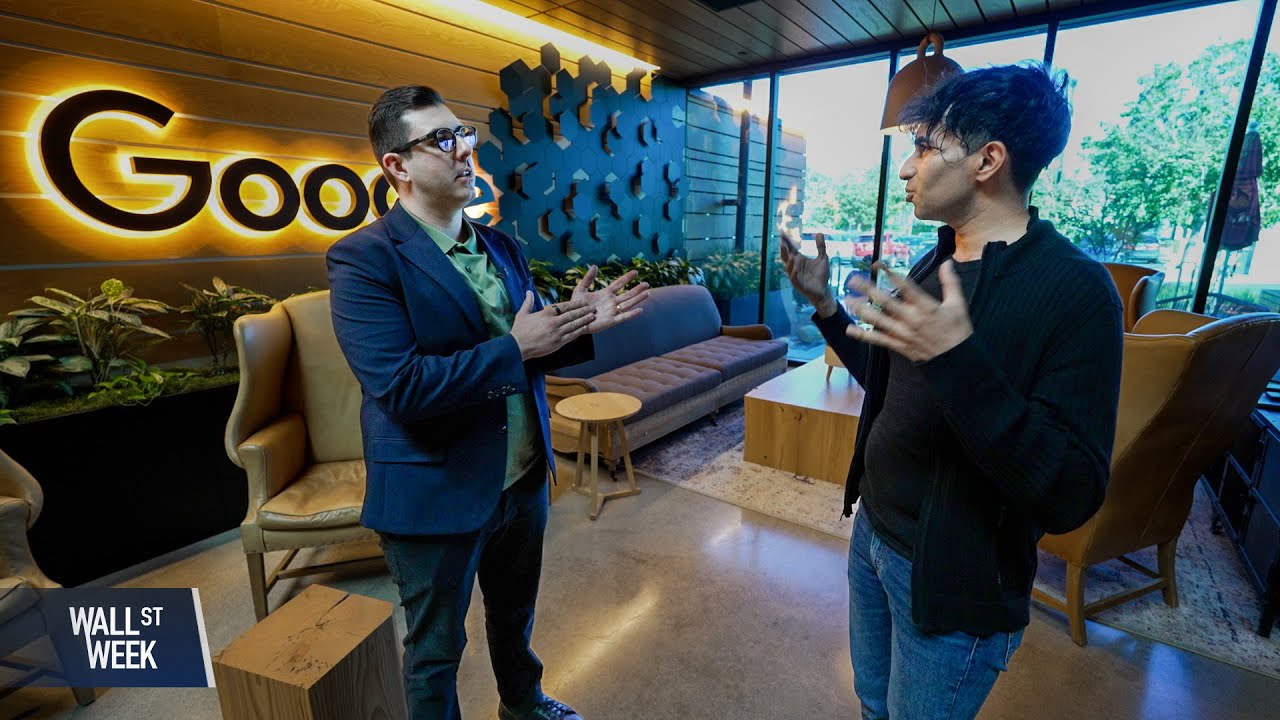
The video explores the transformative impact of AI on software engineering, focusing on the concept of “vibe coding,” a term coined by Andrej Karpathy to describe programming through conversational interaction with AI. This approach allows individuals, including non-technical users, to create software by simply describing their needs in plain language, with AI generating the corresponding code. Examples include small business owners and hobbyists who have successfully built functional applications and automated processes using AI, highlighting how coding has become more accessible and democratized.
Despite the ease of generating code through AI, professional software engineers remain crucial, particularly in ensuring the quality and robustness of software products. Addy Osmani from Google emphasizes that while vibe coding is useful for rapid prototyping and idea validation, engineering requires rigor, clear requirements, testing, and quality control. Engineers are evolving into managers of virtual AI agent teams, responsible for overseeing outputs and maintaining high standards to meet user needs reliably, especially for large-scale or critical applications.
Research from MIT supports the notion that AI tools significantly boost developer productivity, not just by speeding up coding but by shifting engineers’ focus away from project management and coordination towards actual coding tasks. This shift allows developers to write and integrate code more independently, reducing dependencies on others. The productivity gains are particularly notable for those creating new code from scratch and for non-coders who can now build full-stack applications, as demonstrated by individuals like Cynthia Chen.
However, the rise of AI-assisted coding has also led to a decline in entry-level software engineering employment, raising concerns about the long-term implications for the industry. Experts warn that under-hiring junior engineers could harm companies’ future capabilities, as these newcomers are often the most adaptable and effective users of AI tools. Both experienced engineers and newcomers can benefit from reverse mentoring, where younger employees help veterans leverage AI, while seasoned professionals provide industry insights and guidance.
Ultimately, the role of software engineers is shifting from manual coding to ensuring the quality, reliability, and scalability of AI-generated software. Vibe coding is recognized as a valuable tool for rapid prototyping and innovation but is not a substitute for the disciplined engineering required for production-ready systems. The video concludes that while AI is reshaping software development, human creativity, oversight, and expertise remain essential, offering new opportunities for collaboration between humans and AI in building the future.