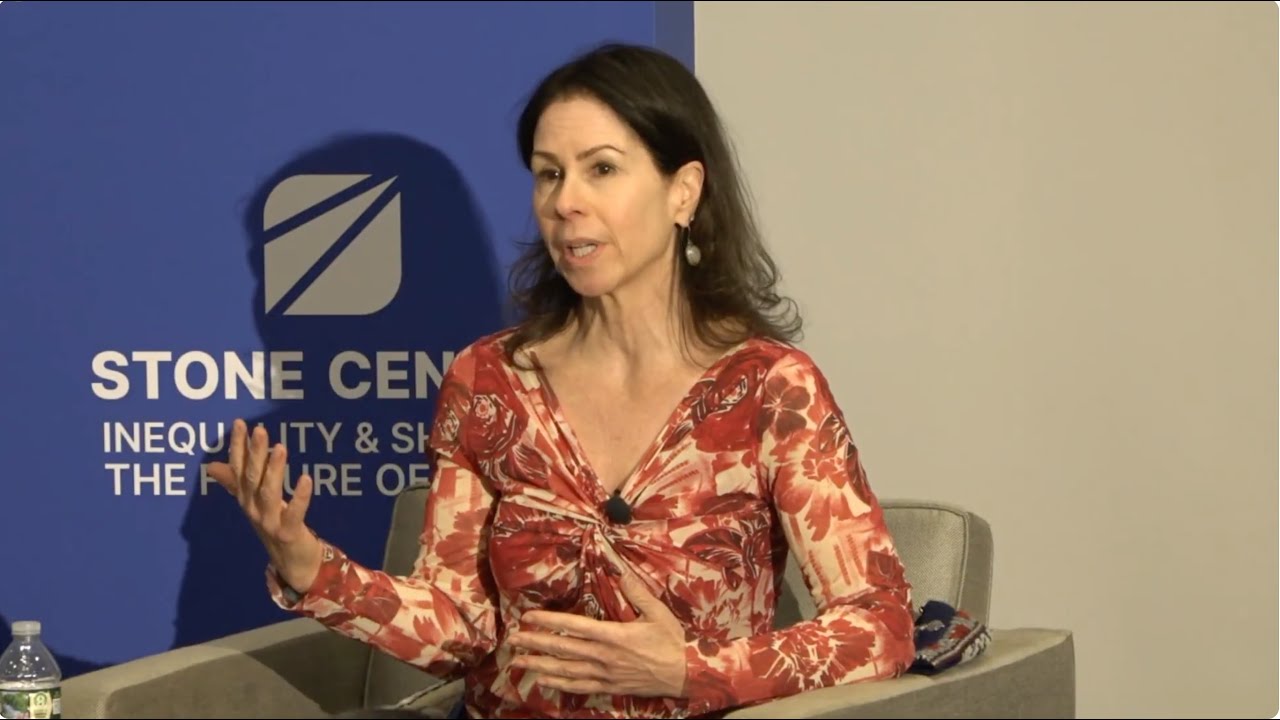
The MIT symposium “Why Wealth Inequality Matters” brought together leading scholars from economics, sociology, political science, and philosophy to explore the causes, consequences, and potential solutions to rising wealth inequality. The event opened with remarks from Simon Johnson and Dean Richard Locke, who highlighted the mission of the Stone Center for Inequality and the importance of interdisciplinary research in addressing the erosion of job quality and labor market opportunities, especially for workers without a college degree. The symposium was structured around three panels, each focusing on different dimensions of wealth inequality: its philosophical and political significance, its economic and intergenerational dynamics, and its relationship to political regimes and authoritarianism.
The first panel, chaired by Katrina Forrester, delved into the philosophical and political implications of wealth inequality. Ellen Landemore argued that while some inequality is inevitable, it becomes problematic when wealth translates into disproportionate political power, distorting democratic processes and creating “epistemic injustice”—where the experiences and voices of the less wealthy are systematically ignored. Orin Cass emphasized the importance of perceived fairness and opportunity, noting that extreme wealth concentration undermines social solidarity and trust in democratic capitalism. Elizabeth Anderson focused on the unchecked power of corporate leaders and the dangers posed by concentrated corporate wealth, especially in the tech sector, which can erode the rule of law and degrade working conditions through technological change.
The second panel, moderated by Gary Gensler, examined the measurement and persistence of wealth inequality, with a particular focus on racial disparities and intergenerational transmission. Wojciech Kopczuk discussed the complexities of measuring wealth as a proxy for well-being, noting that wealth is influenced by life-cycle decisions, institutional factors, and inheritance. Laura D. Tyson presented historical data showing the persistent and large racial wealth gap in the United States, emphasizing that even with equal opportunities going forward, the legacy of past injustices means convergence would take centuries without bold interventions like reparations. Sacha Killewald highlighted how wealth is uniquely “sticky” across generations, with both inherited and newly created inequalities compounding over time, and pointed out that wealth serves as a cumulative measure of disparities across multiple social institutions.
The third panel, chaired by Ya-Wen Lei, explored the interplay between wealth inequality and political regimes, particularly authoritarianism. David Yang presented research on China, showing how policy experimentation and responsiveness to protest can structurally favor urban elites and exacerbate regional inequalities. Daron Acemoglu discussed the feedback loop between inequality and authoritarianism, warning that high inequality can erode the legitimacy of democratic institutions and create fertile ground for authoritarian backsliding. Sheri Berman analyzed the shifting political alignments in the US and Europe, noting that as center-left parties have moved away from working-class economic interests, right-wing populist parties have capitalized on social and cultural divisions, complicating efforts to address inequality through traditional political channels.
Throughout the symposium, panelists debated the effectiveness of various policy solutions, such as progressive taxation, inheritance taxes, corporate governance reform, and workplace democracy. There was broad agreement that while redistribution is necessary, it is not sufficient to address the deeper structural and institutional drivers of inequality. The discussions also highlighted the challenges posed by globalization, technological change, and the weakening of democratic legitimacy, both in advanced democracies and in authoritarian contexts. The need for innovative institutional reforms—such as citizens’ assemblies, stronger antitrust enforcement, and more inclusive corporate governance—was emphasized as a way to rebalance power and restore trust in democratic systems.
In closing, the symposium underscored that wealth inequality is not just an economic issue but a fundamental challenge to democracy, social cohesion, and long-term prosperity. Addressing it requires a multifaceted approach that combines empirical research, philosophical reflection, and practical policy innovation. The event concluded with acknowledgments to the Stone Foundation and all participants, and a call to continue the conversation and research on this critical topic.