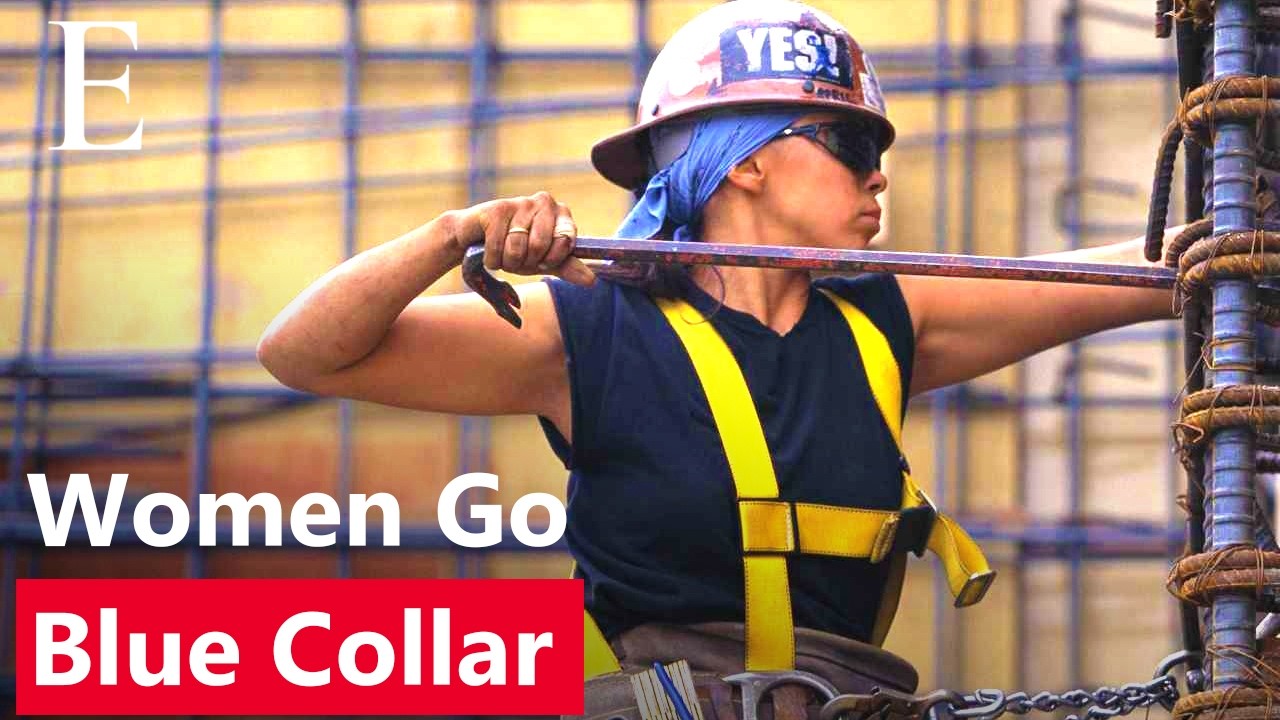
More women are increasingly choosing blue-collar jobs, driven by factors such as broader recruiting efforts amid a tight labor market, better pay, and the recognition that they won’t be alone in these careers. Although women currently make up a small percentage of electricians, plumbers, and carpenters, their numbers have been steadily rising over the past two decades. These jobs are seen as more secure because they require human skills that are difficult for AI to replace, offering stability in an era where automation threatens many office roles.
The construction and technical trades face a significant labor shortage as many experienced workers approach retirement, with over 25% expected to retire within the next decade. At the same time, urban growth demands more infrastructure, increasing pressure on the sector. Unlike many office jobs vulnerable to automation, technical trades require manual skills, problem-solving, and adaptability, making them difficult to automate. This ensures continued demand for human labor, with less than 10% of construction tasks currently fully automatable.
Economic incentives also make blue-collar jobs attractive. Wages in these fields have risen substantially, with some trades seeing salaries nearly double since 2005. Training periods are shorter than traditional college degrees, allowing workers to enter the labor market and achieve economic stability faster. For women, these jobs offer opportunities for professional advancement and long-term security, although cultural barriers and workplace discrimination still limit female participation, which remains below 4% in construction.
The sector’s labor shortage causes project delays and increased costs, with only 30% of vacancies filled on time. Women face additional challenges such as limited access to key technical tasks and hostile work environments, which hinder retention and growth. However, technical training programs that combine practical experience with certification have proven effective in quickly preparing workers for these roles, with a high percentage of participants securing stable employment shortly after completion.
Increasing female participation in blue-collar jobs could significantly boost the economy, potentially raising GDP by 10% due to higher workforce participation and purchasing power. Addressing labor shortages by recruiting more women and expanding training programs is essential for sustaining growth and meeting infrastructure demands. Promoting inclusion and improving workplace conditions will benefit not only the construction sector but the broader economy, highlighting the importance of embracing diverse talent in these essential trades.