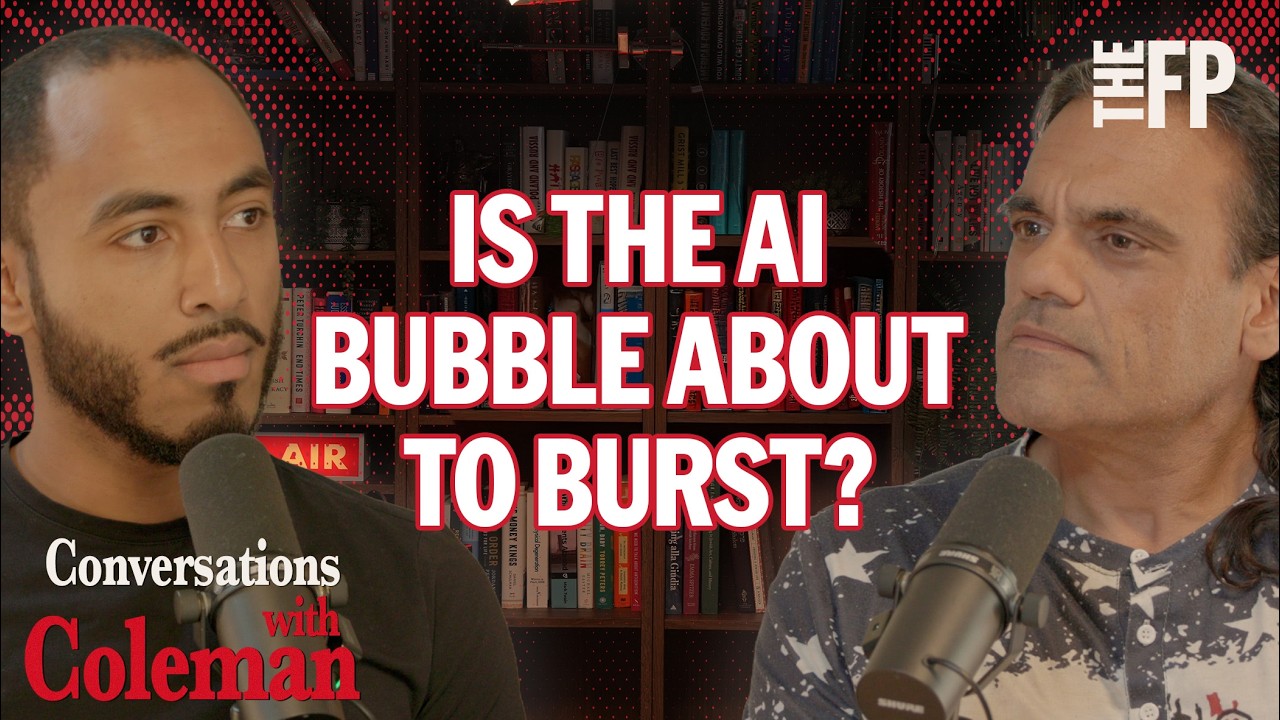
In this insightful discussion, Aman Vie, a seasoned finance professional and author, shares his extensive experience and research on financial bubbles, drawing from historical examples spanning over 500 years. He explains that bubbles are characterized by a rapid rise and subsequent fall in asset prices, often occurring in the wealthiest cities of prosperous countries, fueled by easy money and a relatively homogeneous group of investors with similar tastes and values. Vie emphasizes that bubbles are not necessarily irrational manias but complex phenomena influenced by economic conditions, government policies, and social dynamics.
Vie distinguishes between two types of bubbles: those that are destructive and those that ultimately benefit society. Destructive bubbles, such as land bubbles, tend to destroy value without creating lasting benefits. In contrast, positive bubbles, like the UK railway mania of the 1840s and the dot-com boom of the late 1990s, lead to technological advancements and infrastructure that transform economies and societies. He argues that bubbles can catalyze innovation and competition, citing how the AI industry today benefits from venture capital fueled by what some might call a bubble, pushing incumbents like Google to accelerate their AI developments.
The conversation delves deeply into the 2008 financial crisis, where Vie challenges the common narrative that greedy bankers alone caused the crash. Instead, he highlights the critical role of government policies, particularly the mandates imposed on Fannie Mae and Freddie Mac to increase lending to low- and middle-income borrowers. These policies, combined with low interest rates and relaxed lending standards, expanded risky subprime mortgages into a massive asset class, ultimately contributing to the housing bubble and financial collapse. Vie contrasts this with other countries that addressed affordable housing through direct subsidies rather than risky lending, explaining why the crisis was more severe in the US and a few other nations.
Turning to the Great Depression, Vie outlines the consensus among economists that the Federal Reserve’s failure to prevent a contraction in the money supply was a key factor in deepening the economic downturn. He explains how banks pulling back loans led to a deflationary spiral, worsening the crisis until the US abandoned the gold standard and increased government spending during World War II, which helped reflate the economy. He also notes that a significant tax increase during the early 1930s likely exacerbated the depression, a lesson in the dangers of fiscal policy during economic contractions.
Finally, Vie addresses the question of whether AI represents a bubble. He argues it does not, citing the strong demand-driven growth supported by profitable, cash-rich tech giants like Microsoft, Google, Meta, and Amazon. Unlike past bubbles, AI investments are backed by real revenue and tangible technological progress rather than speculative overbuilding. While acknowledging that some companies may fail or valuations may fluctuate, he believes AI’s transformative potential and current market dynamics differentiate it from classic bubbles, suggesting a more sustainable and positive impact on the economy and society.