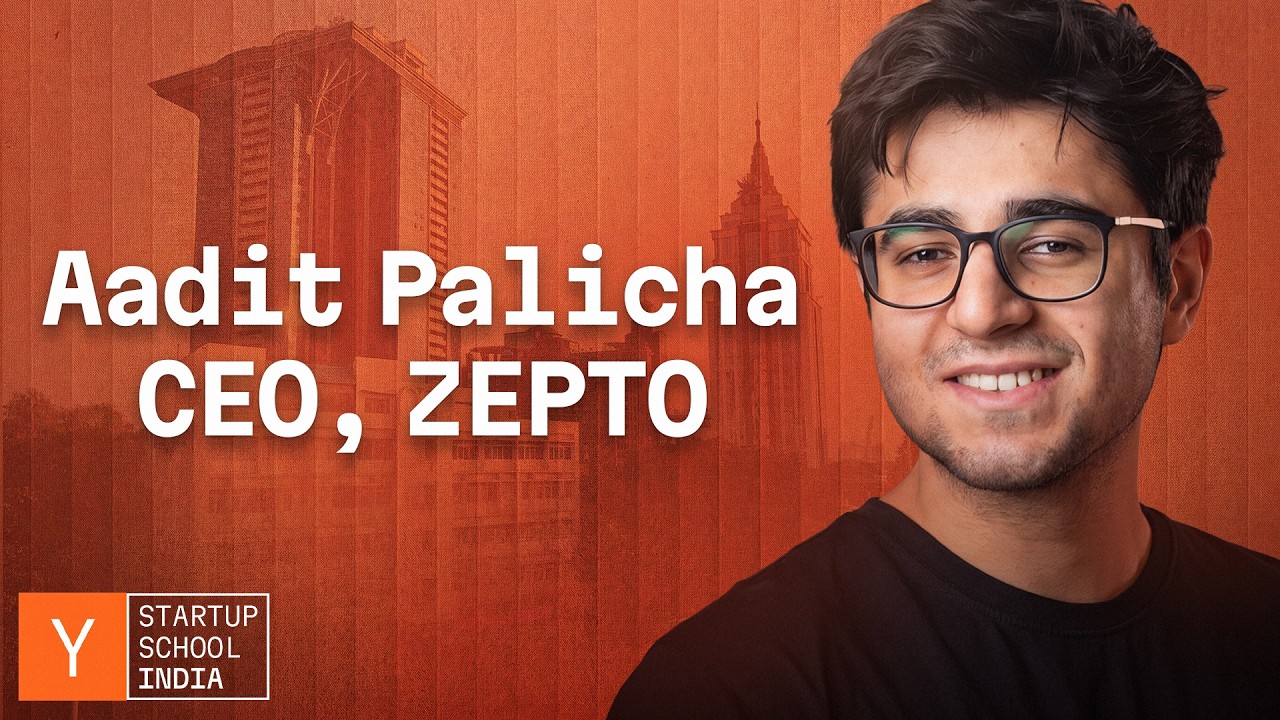
Zepto, a rapid grocery delivery startup, was founded by Aadit Palicha and his co-founder Kaville while they were teenagers in Mumbai during the pandemic. Initially, they started with a simple WhatsApp group delivering groceries to neighbors, which evolved into an app called Kiranakart. Despite being accepted to Stanford, Aadit chose to take a year off to focus on the project, only fully committing to the startup after achieving early signs of product-market fit and significant order volumes. Their approach was cautious and data-driven, focusing on validating the business before making the leap.
The founders identified that existing grocery delivery models in India were not meeting customer expectations in speed, quality, selection, and price. This insight led them to pivot from delivering from local mom-and-pop stores to creating their own mini-warehouses or dark stores, starting from Kaville’s apartment. This model allowed them to control the customer experience better, enabling 10-minute deliveries and significantly higher order volumes in areas served by these dark stores. Despite skepticism from industry experts, this customer-first approach proved successful and became the foundation of Zepto’s business model.
Zepto is fundamentally a logistics and supply chain company, not just a tech app. Behind the scenes, it operates a vast and complex infrastructure including dark stores, automated supply chains, and a large workforce of over 200,000 employees. They have built industrial-grade automation and sophisticated replenishment algorithms to efficiently manage inventory and deliveries. Their scale is massive, with millions of daily deliveries and a dominant position in India’s fruits and vegetables supply chain, serving millions of customers across multiple cities.
The company has embraced AI extensively to optimize both supply chain forecasting and advertising revenue. Machine learning models now automate forecasting and inventory management, improving agility and throughput. On the consumer side, AI powers their advertising platform, helping brands optimize their marketing spend and driving significant ad revenue growth. Internally, AI and automation have reduced manual tasks and software costs, enabling Zepto to operate efficiently with a relatively small corporate team despite its large scale.
Aadit attributes much of his and Zepto’s success to surrounding themselves with experienced and talented leaders who helped them learn and grow. Despite starting young and inexperienced, they maintained a relentless focus on customer needs and continuous iteration. Aadit emphasizes the importance of humility, asking questions, and learning shamelessly from smarter people around him. Looking ahead, Zepto aims to build India’s leading urban grocery platform, expanding to more cities and supporting the growth of consumer brands, while continuing to innovate in logistics and supply chain infrastructure.