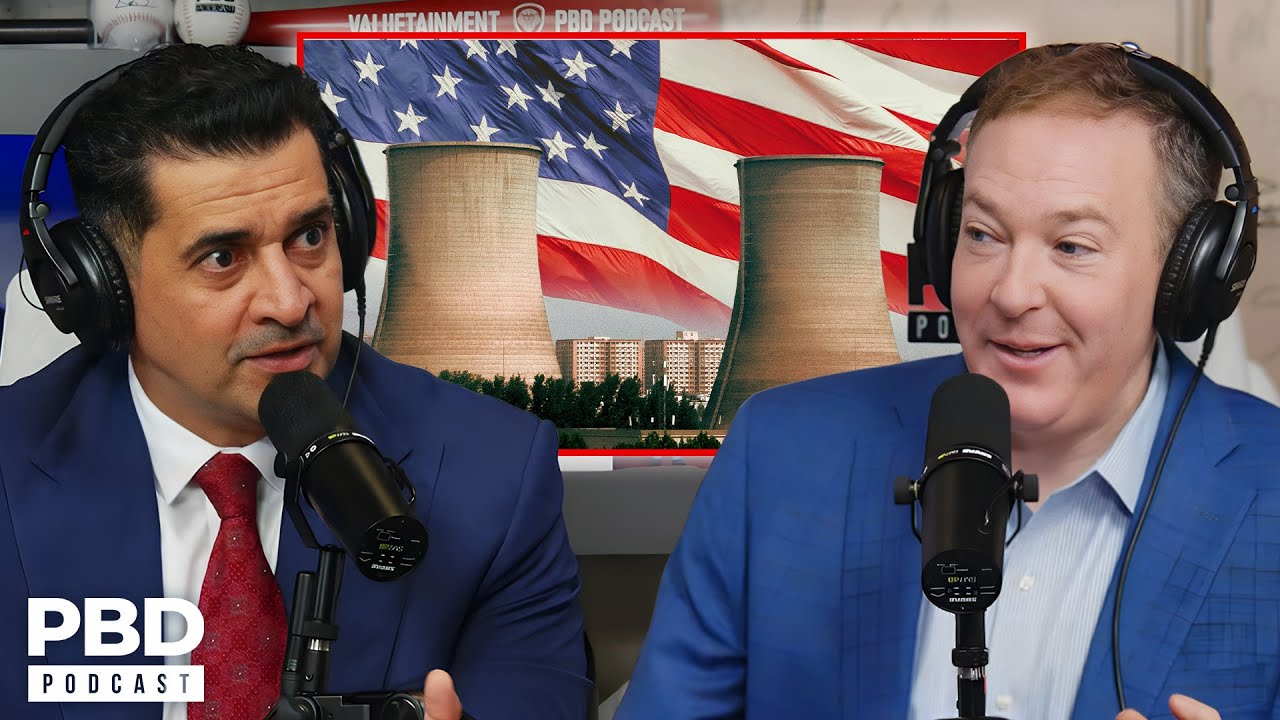
Lee Zeldin emphasizes the urgent need for the U.S. to expand nuclear power and energy infrastructure to compete with China in the global energy and AI race, highlighting the importance of reliable, domestically produced energy for technological advancement and national security. He advocates for overcoming environmental opposition, investing in advanced technologies like small modular reactors, and sustaining political leadership to maintain American economic growth and technological dominance.
In the discussion about energy and technology, Lee Zeldin emphasizes the critical need for expanding nuclear power in the United States to compete with China in the global energy and AI race. He points out that while companies like Microsoft recognize the importance of clean nuclear energy to support innovations such as AI and cryptocurrency, the U.S. has fallen behind China, which has been aggressively building nuclear facilities. Zeldin highlights that the U.S. stopped developing nuclear power plants decades ago, particularly after incidents like Chernobyl, and now faces the challenge of catching up to maintain energy leadership and national security.
Zeldin argues that the U.S. requires more base load power, which nuclear energy and natural gas pipelines can provide, rather than relying solely on intermittent sources like wind power. He stresses the importance of producing energy domestically at lower costs to support technological advancements, especially in AI, which demands significant and reliable energy resources. He cites recent projects such as a $4 billion Google data center in Arkansas, which benefits from the state’s nuclear energy infrastructure, demonstrating that nuclear power can be developed smartly and efficiently with environmental considerations like water reuse.
The conversation also touches on the broader energy infrastructure, including the approval and expansion of natural gas pipelines across various states, which are essential for meeting current and future energy demands. Zeldin underscores the strategic necessity of developing the entire supply chain for rare earth materials and advanced technologies within the U.S. to reduce dependence on China. He highlights innovations like small modular reactors (SMRs) and advanced recycling technologies, which represent significant progress in energy efficiency and environmental sustainability.
Zeldin criticizes environmental opposition to energy infrastructure projects, arguing that such resistance inadvertently empowers China by hindering U.S. innovation and investment. He points to the substantial commitments from companies and countries investing trillions of dollars in the U.S. economy, facilitated by stable energy resources. These investments are crucial for maintaining American jobs, economic growth, and technological leadership. He stresses the need for continued political leadership that can sustain this momentum beyond a single presidential term to ensure long-term success.
Finally, Zeldin expresses optimism about the future of American energy and technology, provided there is consistent support for infrastructure development and innovation. He highlights the importance of trust and effective leadership to maintain investor confidence and voter support. The discussion concludes with a call to action for Americans to recognize the advancements in energy technology and to support policies that will enable the U.S. to win the energy and AI race against global competitors like China.