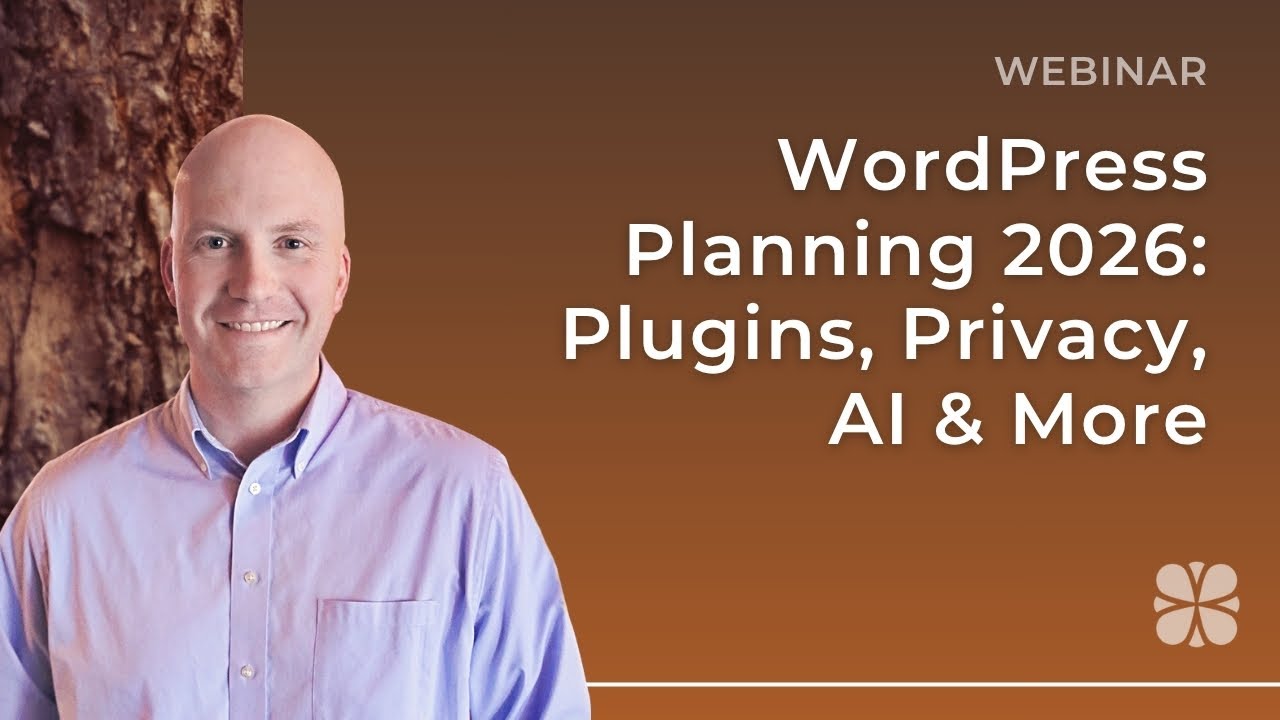
The webinar on WordPress Planning for 2026 provided an insightful overview of the current state and future direction of WordPress, focusing on key areas such as the Gutenberg editor, security, plugins, and the integration of AI. The presenter highlighted the evolution of the Gutenberg editor since its launch in 2018, emphasizing recent developments like enhanced block functionality and a new collaboration experience that allows multiple users to work on content simultaneously in real time. This shift towards stability and quality over rapid releases marks a significant change in WordPress’s development approach, aiming to create a more reliable and efficient platform.
Security was a major theme throughout the discussion, with alarming statistics revealing that nearly 8,000 new vulnerabilities were discovered in the WordPress ecosystem in 2024 alone, 96% of which were found in plugins. The presenter stressed the importance of proactive security measures, such as using hosts and plugins that offer automated vulnerability scanning, conducting regular technical audits, and implementing multifactor authentication. The growing complexity and volume of security threats make these precautions essential for anyone managing a WordPress site, especially businesses and nonprofits.
The webinar also addressed the changing landscape of plugins, noting a significant improvement in user interfaces that make plugins easier to use for both beginners and experienced users. However, the marketing of plugins has shifted dramatically with the rise of AI, where many tools are rebranded as AI-powered without substantial new capabilities. The presenter advised caution and due diligence when adopting AI-driven plugins, encouraging users to verify the actual benefits before investing in premium features.
Looking ahead to 2026, the presenter predicted a transformative impact of generative AI on WordPress websites, envisioning dynamic, personalized sites that adapt content and design in real time based on user behavior. This “generative website” concept would leverage AI to create conversational experiences tailored to individual visitors, potentially replacing traditional search bars with chatbots and enhancing engagement and conversions. While full implementation may still be a few years away, early signs such as AI-powered SEO tools and chatbots are already emerging.
In conclusion, the webinar underscored the importance of sticking to WordPress fundamentals—regular updates, security vigilance, plugin cleanup, accessibility, and privacy compliance—while cautiously embracing AI innovations. The presenter encouraged attendees to view the rapidly evolving digital landscape as an exciting opportunity, urging them to stay informed, apply best practices, and enjoy the journey as WordPress and AI technologies continue to reshape the web. Upcoming webinars and resources were also promoted to help users stay ahead in this dynamic environment.