Apple’s WWDC 2026 marked a significant moment as Tim Cook’s final event as CEO, with a major focus on proving the capabilities of their new AI-powered assistant, Siri AI. The event began with seemingly minor updates like uniform window corner radii and transparency sliders across Mac OS, emphasizing optimization and speed improvements across Apple devices. These backend enhancements, such as faster app launches and quicker photo processing, aim to improve user experience subtly but meaningfully, even if they lack the flashiness of headline features.
A notable addition was Apple’s expanded child protection features, giving parents granular control over their children’s app downloads, web browsing, and contacts. This system allows parents to manage and schedule app access, balancing safety with usability. While these features respond to growing concerns about digital safety and government regulations, they also strategically encourage early ecosystem lock-in for younger users, reflecting Apple’s broader approach to user retention.
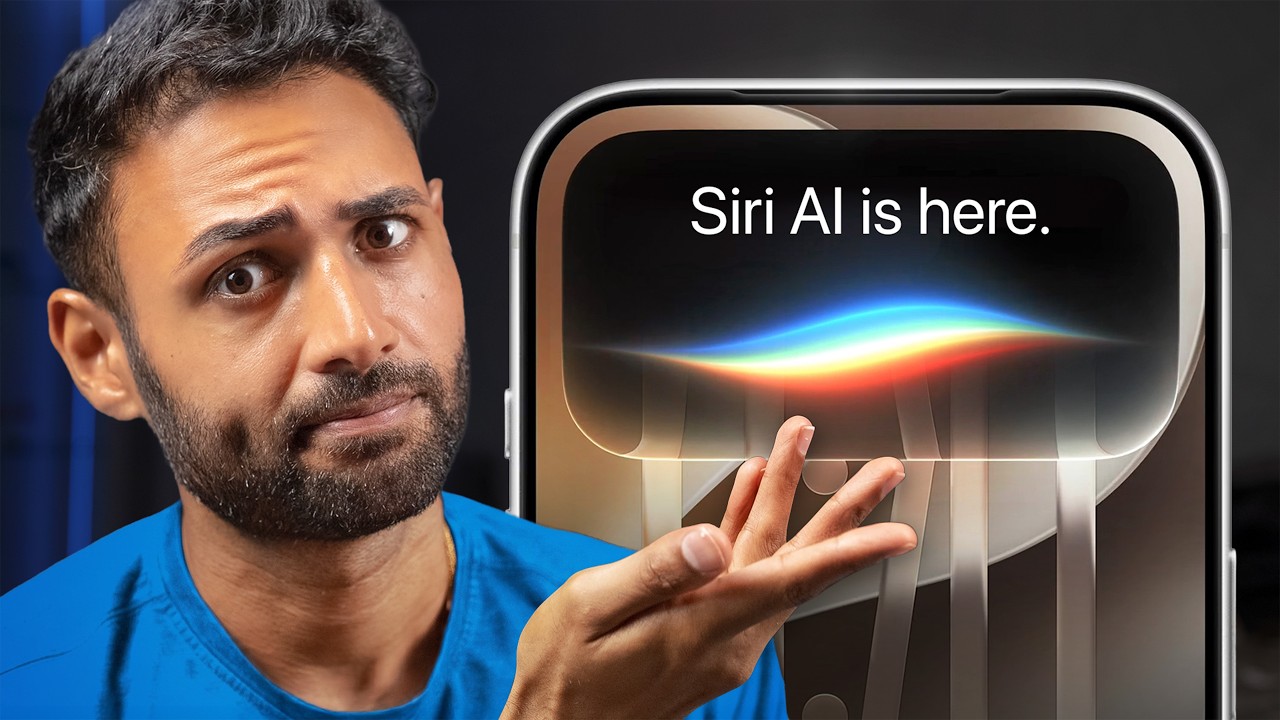
The centerpiece of the event was the introduction of Siri AI, a substantial upgrade over previous versions. Built on Google’s Gemini foundation, Siri AI offers improved conversational abilities, screen awareness, and personal context integration, allowing it to interact more naturally and access user data like messages and photos for smarter responses. The assistant’s design is sleek and seamlessly integrated into Apple hardware, with customizable voice options and a new dedicated Siri app that syncs conversations across devices. A standout feature is the ability to create shortcuts using natural language, simplifying automation for all users.
Siri AI’s integration extends beyond the iPhone to the Apple Watch, Vision Pro, and Mac, though the Mac implementation felt less compelling compared to other devices. Additional AI-powered features include enhanced visual intelligence in the camera app for tasks like nutritional analysis and bill splitting, as well as Safari improvements like automatic tab organization and AI-generated extensions. Apple also introduced advanced password management and proactive AI assistance that anticipates user needs by pulling relevant information from emails and messages, further embedding AI into daily workflows.
Despite these advancements, some AI features, particularly in image generation and editing, elicited mixed reactions due to their uncanny and artificial results. Apple’s AI is positioned as a significant step forward but not yet class-leading, with the most powerful Siri AI capabilities limited to the latest devices. Moreover, certain AI functionalities come with usage limits tied to iCloud Plus subscriptions, raising questions about accessibility. Overall, Apple’s AI evolution reflects a move from lagging behind competitors to offering a polished, integrated experience primarily benefiting users fully invested in the Apple ecosystem.