In this video, the creator demonstrates how to generate a first-person shooter (FPS) game using AI, specifically leveraging the 3.js JavaScript library, which is favored for its compatibility with AI-driven game development. The project begins with creating a simple 2D top-down prototype that includes basic game mechanics such as missions, procedurally generated levels, and enemies. This prototype serves as a foundation to be handed off to human developers on Fiverr, who are then tasked with enhancing and expanding the game’s functionality and depth. The creator emphasizes the advantages of 3.js over traditional engines like Unity and Unreal Engine for AI integration, highlighting its forward-thinking approach to AI-assisted game creation.
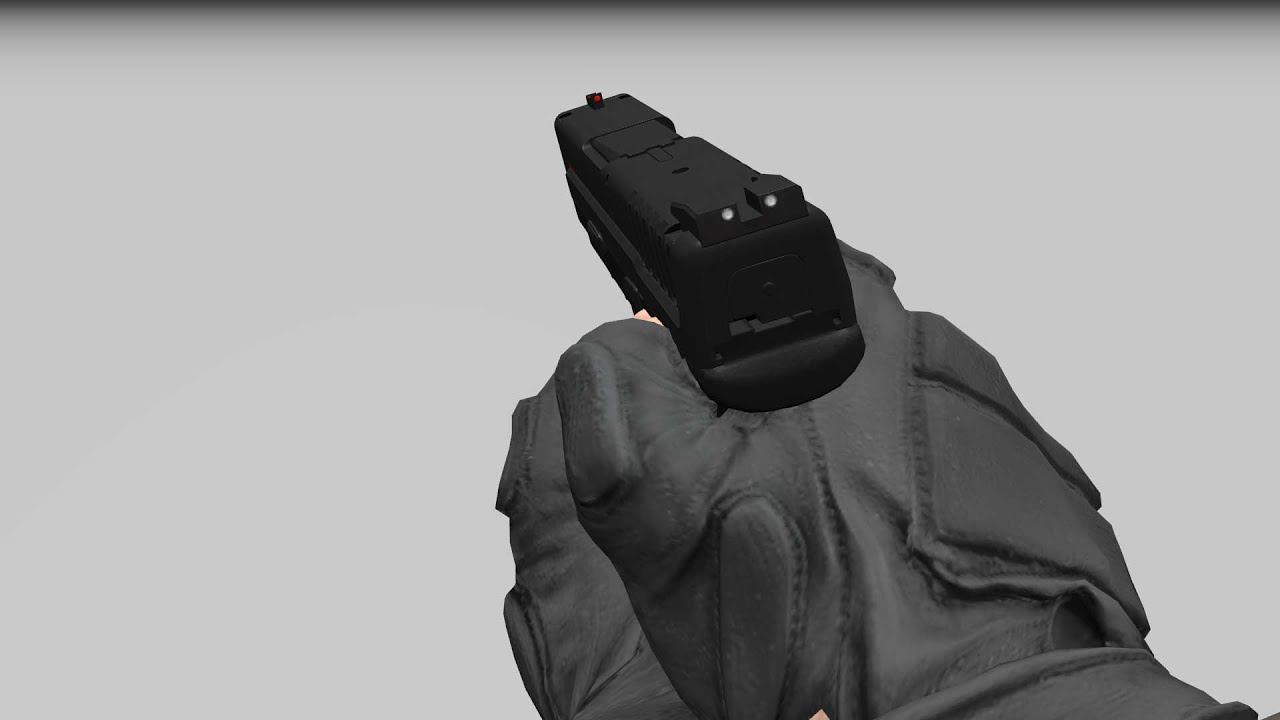
After setting up the initial prototype, the creator selects three Fiverr developers—Nicholas, Zora, and Jay—to work on the project, providing them with the demo as inspiration. Each developer delivers a unique version of the game, showcasing different levels of complexity and features. The creator also embarks on building a more advanced FPS game using 3.js, incorporating external assets such as weapon models, animations, sound effects, and music. These assets are meticulously described in JSON files to guide the AI in correctly implementing them within the game, aiming to create a fully functional 3D shooter experience.
The AI-generated FPS game, while impressive for a one-shot effort, exhibits some issues such as enemies floating unrealistically and inconsistent sound effect triggers. However, it successfully integrates sprint mechanics, animations, and sound controls, demonstrating the potential of AI in game development. The creator expresses excitement about the progress and plans to explore this approach further. This AI-generated project is then compared to the human-developed versions to evaluate the differences in quality, features, and gameplay experience.
Among the Fiverr submissions, Nicholas’s Unity project includes objectives and enemies but lacks procedurally generated levels. Zora’s Unreal Engine project, though more expensive, features procedurally generated levels and enemy combat but has simpler objectives focused mainly on enemy elimination. Jay’s Unity project, priced in the middle, impresses the creator the most with its polished gameplay, multiple levels, unique objectives, and smooth animations, despite some uncertainty about the procedural generation of levels. Jay’s work is praised for its completeness and quality, making it the standout among the human-developed versions.
In conclusion, the video highlights the current capabilities and limitations of AI in generating FPS games, showing promising results but still falling short of the depth and polish human developers can provide. The creator invites viewers to share their opinions on which version they prefer and encourages them to explore hiring skilled developers on Fiverr to bring their game ideas to life. All project files, assets, and developer links are made available on the creator’s website, providing a valuable resource for anyone interested in AI-assisted game development or collaborating with experienced human developers.