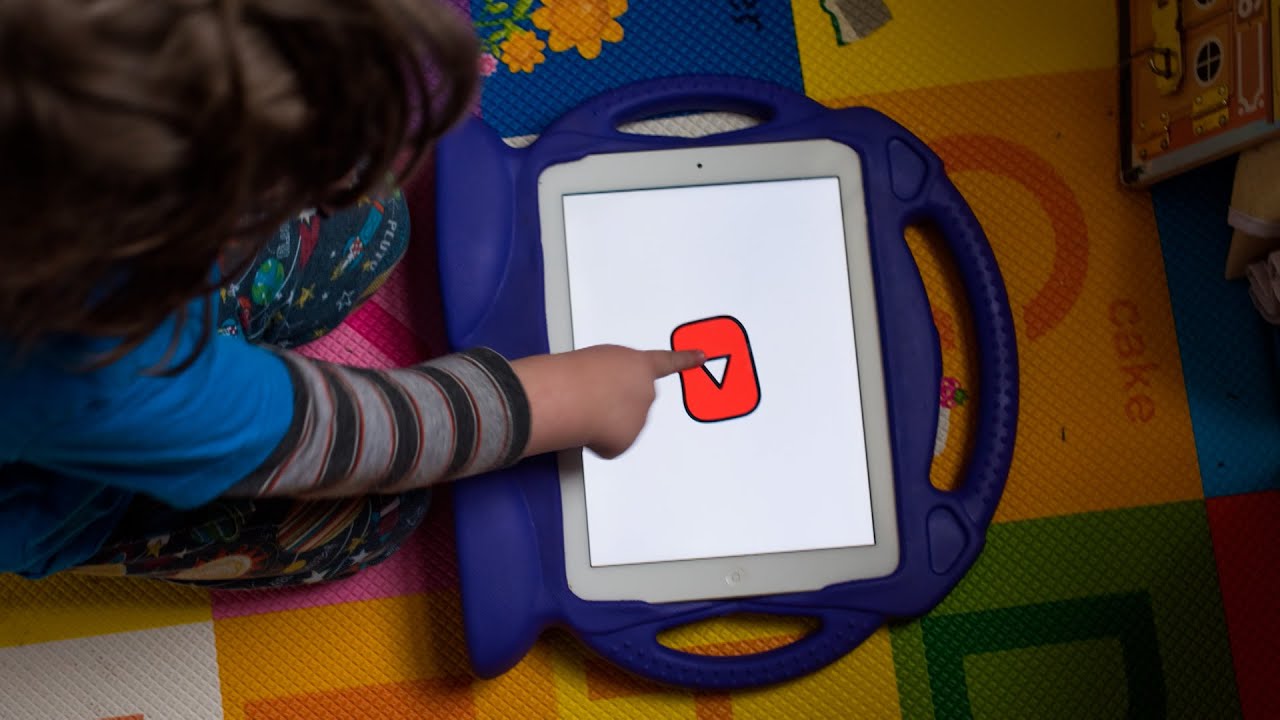
The video highlights concerns about the increasing presence of infants and toddlers on YouTube Kids, where a mix of high-quality educational content and questionable AI-generated videos raises worries about the impact on young children’s development and attention spans. It also discusses the challenges parents face in managing screen time, the need for better regulation and parental controls, and the broader societal issue of ensuring safe and beneficial digital media consumption for very young children.
The video discusses the growing presence of babies and very young children on YouTube and YouTube Kids, highlighting concerns about the type and quality of content they are consuming. YouTube Kids was created about a decade ago to provide a safer space for children aged 2 to 12, but recent data shows that even infants under two are increasingly accessing the platform. This trend has not gone unnoticed by content creators who see a valuable opportunity in producing videos targeted at this very young audience.
Experts express concern about the impact of such content on developing brains, emphasizing that while some videos are educational and high quality—such as those from popular channels like Cocomelon and Miss Rachel—there is a significant amount of obscure and potentially AI-generated content that is less reliable. These videos often claim to be educational but may not meet the standards parents expect, raising questions about how much of this “AI slop” is being served to babies and toddlers.
The video also touches on regulatory responses, noting that in Australia, YouTube Kids is one of the few social media platforms not banned for children under 16, despite broader restrictions on social media use for minors. This exception underscores the challenge of balancing access to safe content with concerns about overexposure and the quality of what children watch. Experts worry that very short videos might negatively affect children’s attention spans, while some content runs for hours, far exceeding recommended viewing times.
Parents interviewed in the video express mixed feelings about YouTube Kids. Many are worried about the content their children are exposed to but also rely on the platform as a helpful tool, sometimes describing it as a “third parent” that allows them to manage other responsibilities. This reliance creates a dilemma, as some parents feel conflicted about the amount of screen time their children have but find it difficult to avoid using YouTube Kids altogether.
Ultimately, the video raises important questions about how YouTube Kids can better regulate and communicate the quality and appropriateness of its content to parents. It highlights the need for clearer guidelines and more effective parental controls to ensure that young children are not only safe but also benefiting from the content they consume. The discussion points to a broader societal challenge of managing digital media consumption among the youngest and most vulnerable users.