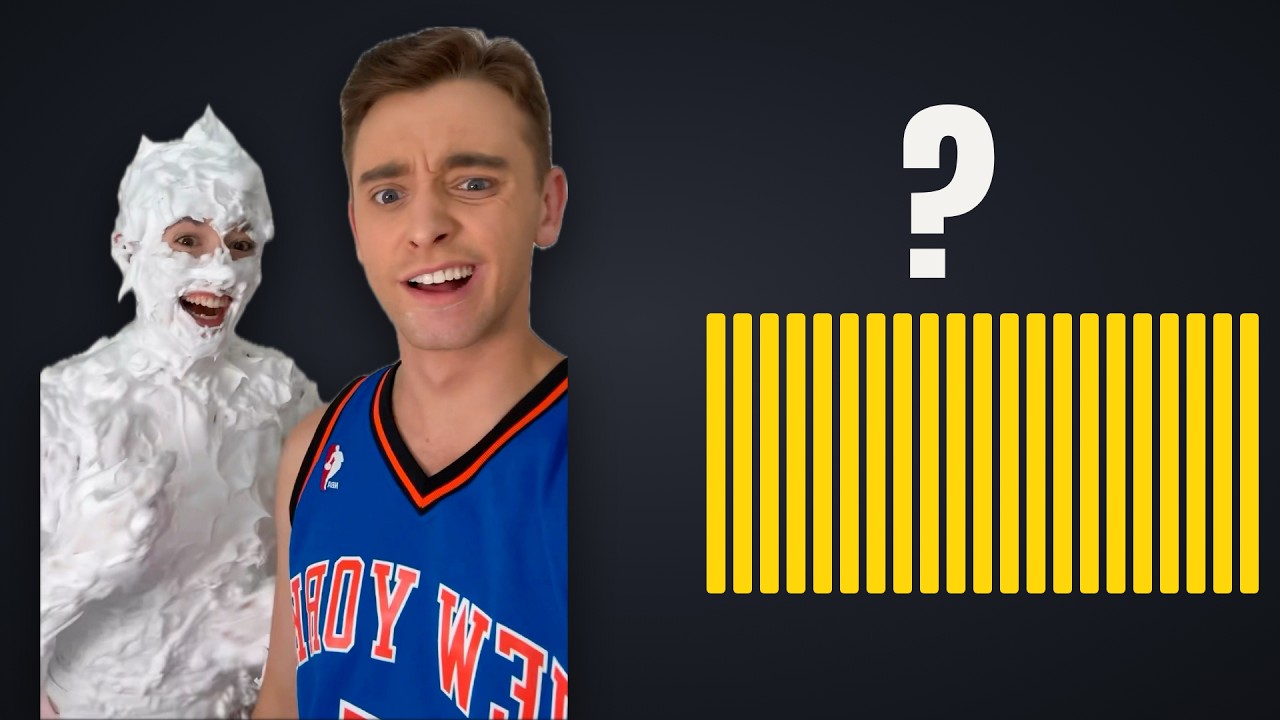
The video discusses a peculiar trend on YouTube Shorts where a 9-second clip of a man with shaving foam on his face was uploaded repeatedly—20 times in four months—garnering around 900 million views. This phenomenon highlights how creators exploit YouTube’s algorithm by treating each upload as a fresh chance to gain views and revenue. Two Australian channels, Jasmine and James and Cattle and Mia, exemplify this strategy, with tens of thousands of shorts and millions of subscribers, frequently reposting nearly identical content with minor edits like flipping or cropping. Despite the repetitive nature, these channels rank among the top most-watched on YouTube, demonstrating the effectiveness of volume over originality.
The core issue lies in YouTube’s payout system for Shorts, which pools ad revenue by country and distributes about 45% to creators. The pay-per-view rate is extremely low, meaning creators must maximize the number of uploads to earn significant income. For example, the shaving foam clip’s 900 million views likely earned between $8,000 and $50,000, showing that reposting the same content multiple times is more profitable than creating new videos. YouTube counts every upload as a separate “ticket” in this gambling-like system, and views are counted even if viewers repeatedly watch the same clip, further incentivizing mass reposting.
Despite the apparent exploitation, YouTube has the technical capability to detect such reposting, as demonstrated by Meta’s 2022 competition where teams developed advanced video-matching algorithms. YouTube’s policies also prohibit minor edits like cropping or flipping as sufficient originality for monetization, yet channels like Jasmine and James continue to operate without penalty. Recent policy updates target reposting of other creators’ content but do not address self-reposting, allowing these channels to continue profiting from their repetitive uploads.
The video also explores the broader ecosystem of reposting, including businesses that pay editors to repost popular creators’ clips for a share of the revenue. Streamers like Neon reportedly spend millions to have their content clipped and reposted by hundreds of editors, generating millions of views beyond their live audience. This system extends to AI-generated content and fake channels, which can amass billions of views and substantial earnings without real human creators. YouTube’s inconsistent enforcement and contradictory policies, such as promoting tools that facilitate reposting while banning similar practices, contribute to the ongoing challenges.
Ultimately, the video argues that the problem is not just the creators gaming the system but the payout structure itself, which incentivizes quantity over quality. YouTube’s algorithm and monetization model reward repetitive uploads and views regardless of originality, creating a cycle where reposting and even AI-generated content thrive. The shaving foam clip’s massive view count and earnings symbolize this exploit, illustrating how the platform’s design encourages such behavior and questioning the sustainability and fairness of the current Shorts ecosystem.