Nvidia is experiencing robust growth driven by strong demand for AI infrastructure, projecting around 70% revenue growth by fiscal 2028 despite supply chain constraints and potential margin pressures from planned price increases. The company’s strategic re-entry into the Chinese market and reliance on semiconductor partners like TSMC and Samsung underscore its pivotal role in the AI economy and position it well for sustained expansion.
Nvidia is experiencing a surge in demand driven by the global buildout of AI infrastructure, with growth opportunities spanning hyperscalers, AI natives, enterprises, and sovereign customers. The company projects approximately 70% revenue growth by fiscal 2028, highlighting strong forward momentum in the AI economy. Despite supply chain constraints limiting their ability to meet demand fully, Nvidia’s outlook remains highly positive, underscoring the significant impact the company has on the broader tech ecosystem and global economy.
In the recent quarterly earnings report, Nvidia showcased impressive financial performance, with revenues more than doubling year-over-year to nearly $100 billion and earnings per share reaching $2.22, surpassing estimates. The company also anticipates beating expectations in the current quarter. However, one area of concern is the margin outlook, as Nvidia plans to raise prices by up to 15% for key customers, which may squeeze gross margins from around 75% down to between 71% and 72% in the near term. While still strong, this margin compression is a potential point of focus for more cautious investors.
Nvidia’s growth is heavily dependent on the broader semiconductor ecosystem, including partners like TSMC and Samsung, which must invest in capital expenditures to expand chip production capacity. The company’s ability to meet the surging demand for AI-related chips hinges on these supply chain players scaling up their manufacturing capabilities. This interdependence highlights the critical role of the entire semiconductor supply chain in supporting Nvidia’s ambitious growth targets.
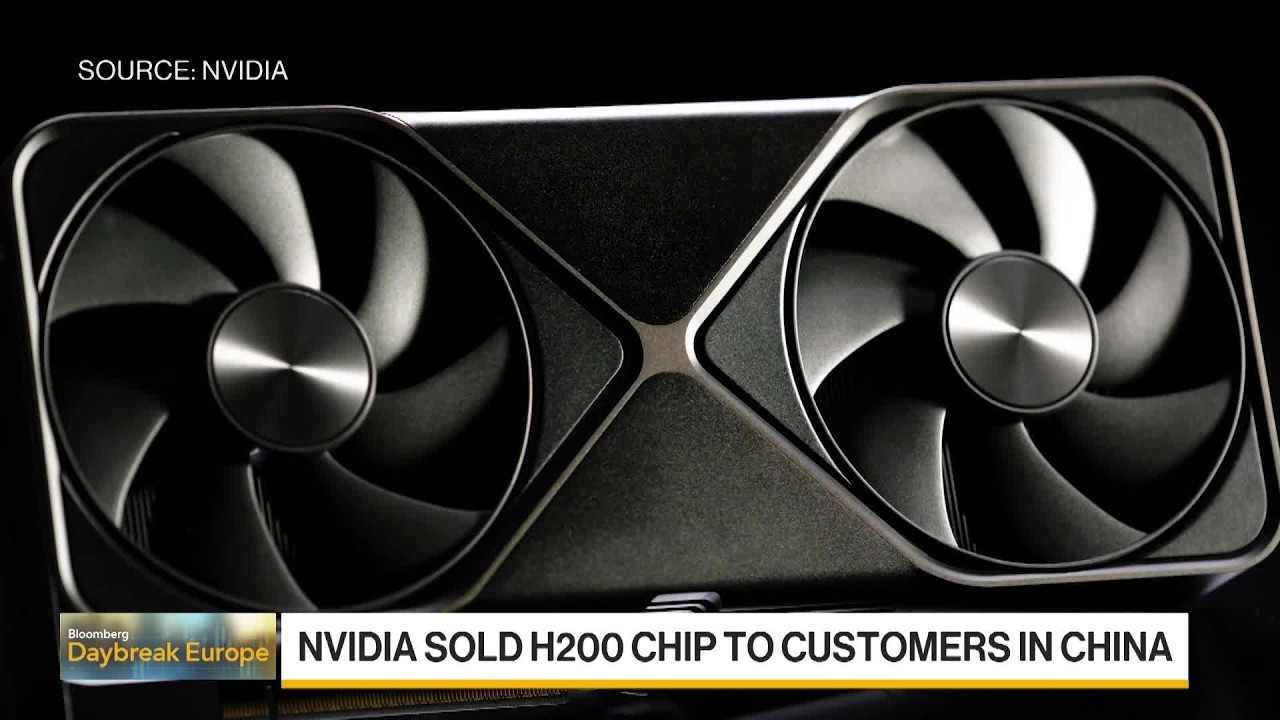
A notable development is Nvidia’s re-entry into the Chinese market, which carries both symbolic and financial significance. Although revenue from China currently accounts for less than 1% of Nvidia’s data center revenue, the company has secured approval to ship certain older generation chips to China under U.S. government regulations. This foothold is important as Nvidia continues to lobby for expanded access, aiming to increase sales in the region, which remains a key market for future growth.
Overall, Nvidia’s upbeat sales outlook and strong earnings performance alleviate some concerns about the sustainability of the AI-driven economic expansion. While supply constraints and margin pressures present challenges, the company’s dominant position in AI infrastructure and its strategic moves to regain market access in China position it well for continued growth. The broader tech ecosystem’s ability to support Nvidia’s demand will be crucial in realizing the full potential of the AI economy.
Useful Links