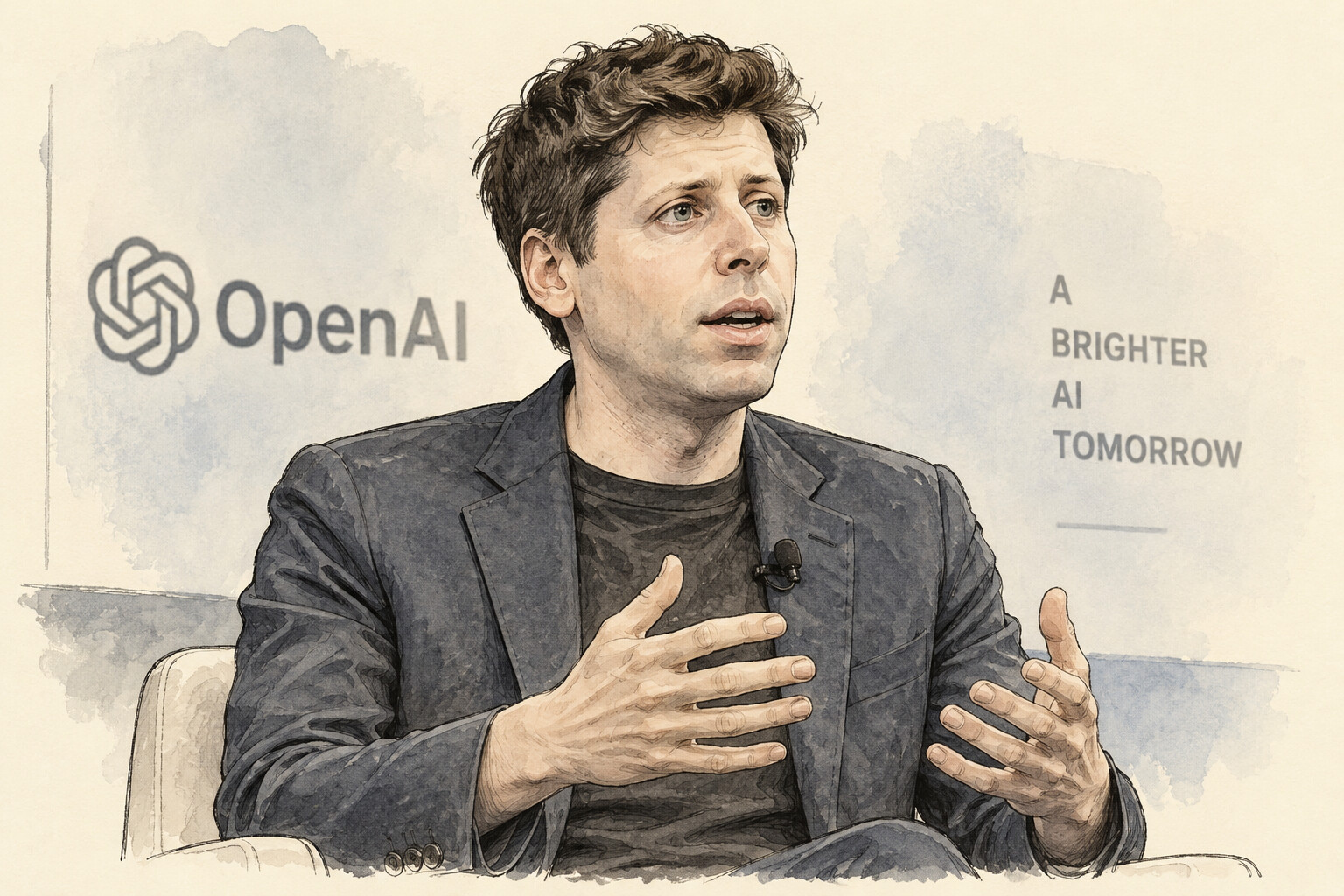
OpenAI CEO Sam Altman is facing widespread criticism following recent public statements suggesting that society must accept some negative consequences from the development and deployment of artificial intelligence (AI). Altman’s remarks, made during a POLITICO interview and echoed in other public appearances, have sparked a heated debate about the ethical responsibilities of AI leaders and the role of public consent in shaping the future of technology.
Altman stated, “We believe the world should accept some bad things happening for the benefits of this technology,” arguing that lighter regulation is necessary to allow AI to deliver its promised benefits. This stance quickly drew backlash from a broad spectrum of critics, including political figures such as Governors Ron DeSantis and JB Pritzker, who questioned why a handful of tech executives should decide what risks the public must bear. Social media users echoed these concerns, expressing frustration over perceived corporate dominance and a lack of public agency in decisions that could profoundly affect society.
Critics argue that Altman’s comments reflect a disregard for potential harms associated with AI, including job loss, privacy violations, and the concentration of power among a few large technology companies. Some commentators highlighted the disconnect between Silicon Valley’s optimism about AI and the public’s growing anxiety, as surveys indicate that a majority of Americans are more worried than excited about AI’s expanding role.
The controversy has also reignited discussions about transparency, accountability, and the need for meaningful public involvement in AI governance. Observers note that while Altman and other industry leaders often warn about the dangers of AI, they continue to push forward with increasingly powerful technologies, raising questions about the sincerity of their safety commitments.
In response to the backlash and recent incidents of violence targeting tech leaders and data centers, Altman has acknowledged the legitimacy of public fears and called for democratic oversight of AI development. He emphasized that the democratic process should remain more powerful than any single company and welcomed good-faith criticism and debate. However, many critics argue that recognition alone is insufficient and are demanding concrete safeguards, equitable distribution of AI’s benefits, and robust mechanisms for addressing harms.
The ongoing debate underscores the urgent need for transparent dialogue and tangible protections to ensure that the risks and rewards of AI are shared fairly across society.
Sources
Internal sources
- OpenAI CEO Sam Altman Says We Need to “Accept Some Bad Things” for AI - Demand to Victimize World
- Sam Altman Just Made Everyone FURIOUS
- Sam Altman Just Made Everyone FURIOUS…