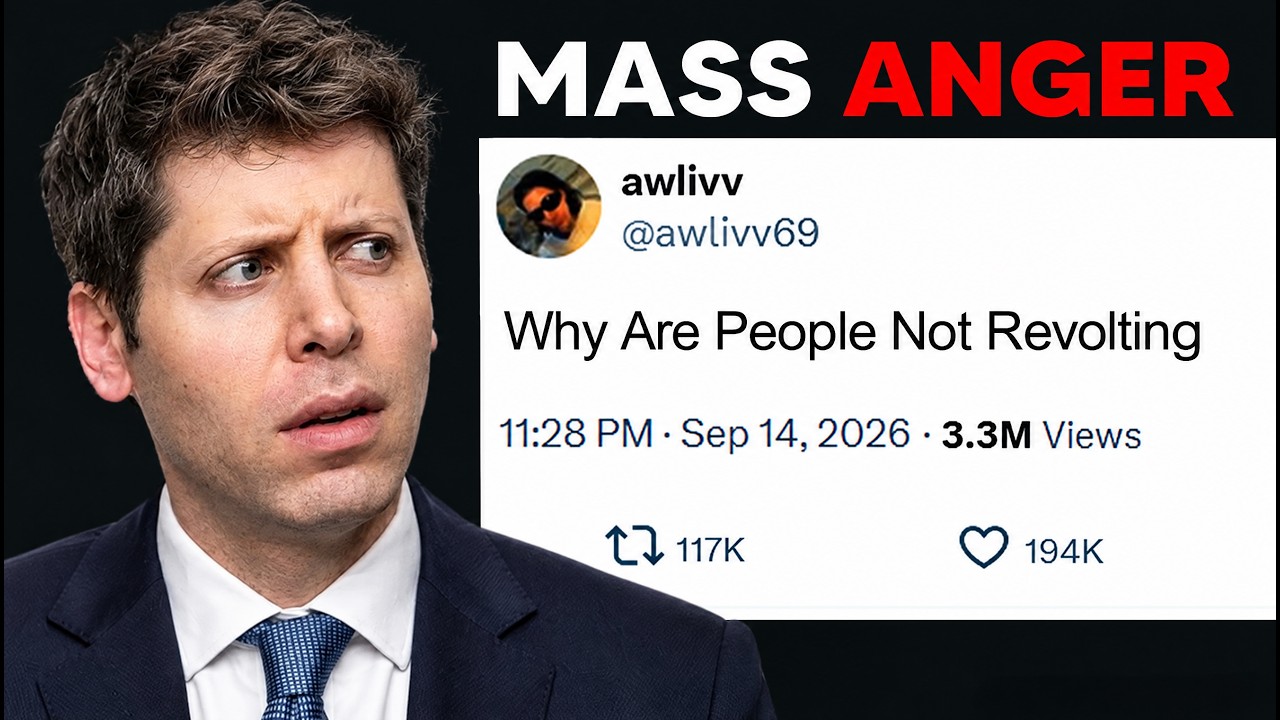
Sam Altman’s recent interview about the future of AI sparked widespread backlash due to a statement suggesting society should accept some negative consequences for the benefits of AI technology. While the clip circulated widely, it omitted important context where Altman emphasized the need for broad access to AI and acknowledged the importance of regulating catastrophic risks. His argument centers on balancing the prevention of harmful uses with preserving beneficial applications and freedoms, rather than endorsing unchecked harm. However, the language of “accepting bad things” was perceived as insensitive, especially by those worried about job security, privacy, and corporate control, highlighting a disconnect between Silicon Valley and the public.
The core issue revealed by the backlash is not just about Altman’s words but about power, consent, and agency. Many people feel that decisions about AI’s risks and benefits are being made by a small group of tech executives without meaningful input from those affected. This sentiment was echoed across political lines, with figures like Ron DeSantis criticizing the concentration of technological power. The public’s frustration stems from a broader feeling of being “volunteered” for risks without having a say in how AI impacts their lives, workplaces, and communities. This lack of agency extends beyond product access to how AI-driven changes reshape society.
The video also highlights persistent public concern about AI, supported by Pew Research data showing that over half of Americans remain more worried than excited about AI’s growing role. This widespread unease contrasts with the tech industry’s often optimistic narrative focused on capabilities and breakthroughs. The disconnect is compounded by the industry’s failure to address immediate concerns such as job displacement, economic disruption, and local impacts like data center developments. People want concrete explanations about how benefits will be distributed fairly and how harms will be prevented or mitigated, rather than vague promises of future prosperity.
Altman himself acknowledges the industry’s tone-deafness to public anxieties, but recognition alone is insufficient without concrete actions. The video stresses the need for AI companies to provide clear safeguards, accountability, and support for those adversely affected by AI-driven changes. This includes practical worker retraining, transparent communication about risks, and meaningful public debate on AI governance. The industry must move beyond treating adaptation as an individual responsibility and instead foster a fair transition that benefits a broad range of stakeholders, not just the tech elite.
In conclusion, the backlash to Altman’s interview reflects deeper societal concerns about who controls AI’s future and who bears its costs. The tech industry must improve its relationship with the public by offering tangible protections, involving people in decision-making, and demonstrating real-world benefits. Honest discussions about risks should be paired with specific plans for prevention, response, and equitable distribution of gains. Without addressing these underlying issues, public hostility toward AI is likely to intensify, undermining trust and the technology’s potential to improve lives.
Useful Links