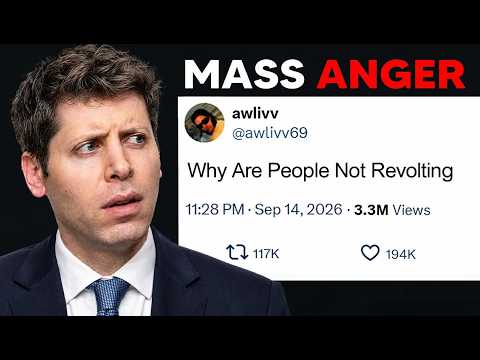
Sam Altman’s recent interview about the future of AI sparked widespread backlash due to a statement suggesting that society should accept some negative consequences for the benefits of AI technology. While the clip circulated widely, it lacked important context. Altman’s broader argument was about balancing access to AI technology with the risks of misuse, emphasizing that overly strict regulations could limit beneficial uses and freedoms. He also clearly distinguished between tolerable harms and catastrophic risks, such as loss of control over AI systems. However, the language of “accepting bad things” was perceived as insensitive, especially by those already anxious about job security, privacy, and corporate power.
The core issue revealed by the backlash is not just about Altman’s words but about the broader disconnect between Silicon Valley and the public. Many people feel powerless and excluded from decisions that profoundly affect their lives, leading to distrust and resentment. Critics question who bears the costs of AI’s risks and who reaps the benefits, highlighting concerns about concentrated technological power and lack of meaningful public agency. This sentiment was echoed across political lines and social groups, showing that opposition to unchecked tech influence transcends typical ideological divides.
Public concern about AI is widespread and persistent, as shown by surveys indicating that a majority of Americans are more worried than excited about AI’s growing role. This contrasts with the optimism often found within the tech industry, which tends to focus on capabilities, investments, and breakthroughs rather than the everyday impacts on workers, families, and communities. The industry’s failure to address these real-world concerns in concrete terms—such as job displacement support, local environmental impacts of data centers, and clear accountability for harms—fuels the growing hostility and skepticism toward AI development.
Altman himself acknowledges the industry’s tone-deafness to public worries, but recognition alone is insufficient. The public demands clearer protections, transparent safeguards, and tangible benefits that improve daily life. This includes practical training for workers, fair distribution of productivity gains, and robust mechanisms for people to challenge harmful decisions. The conversation must move beyond abstract promises of future prosperity to address immediate needs and ensure that AI’s advantages are accessible and meaningful to all, not just a privileged few.
Ultimately, the controversy highlights the urgent need for a new relationship between AI developers and society. Silicon Valley must engage in honest, detailed dialogue about risks, responsibilities, and governance, ensuring that decisions are not left solely to powerful executives. Public trust depends on demonstrating accountability, preventing avoidable harm, and involving ordinary people in shaping the rules that govern transformative technologies. Without this shift, the backlash against AI is likely to intensify, undermining the potential benefits that the technology could bring.
Useful Links